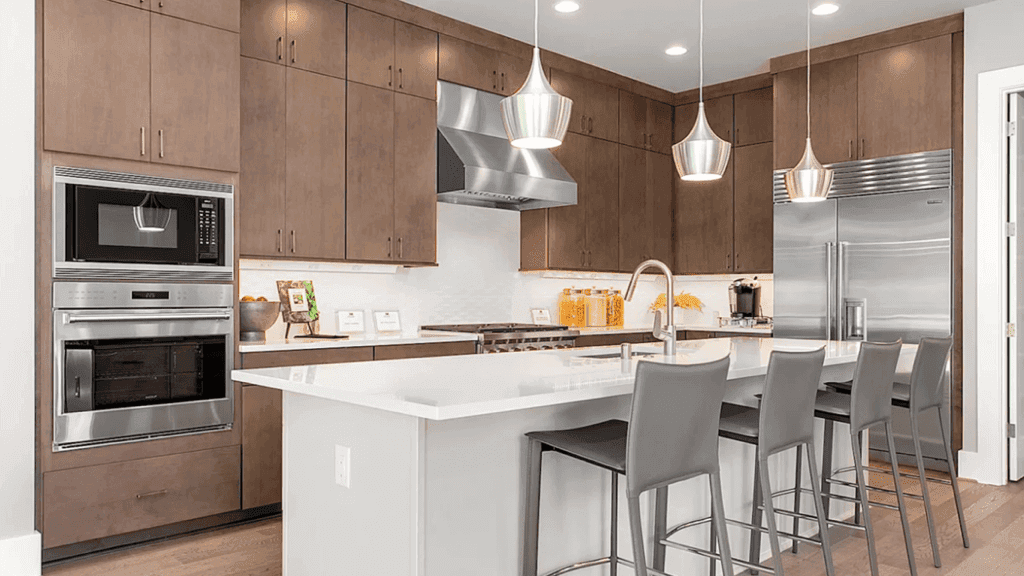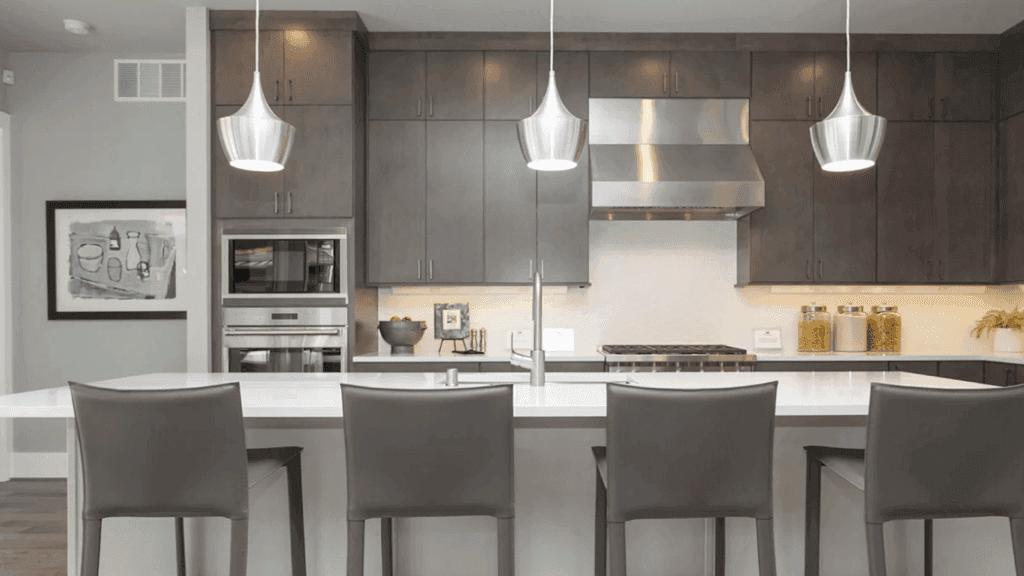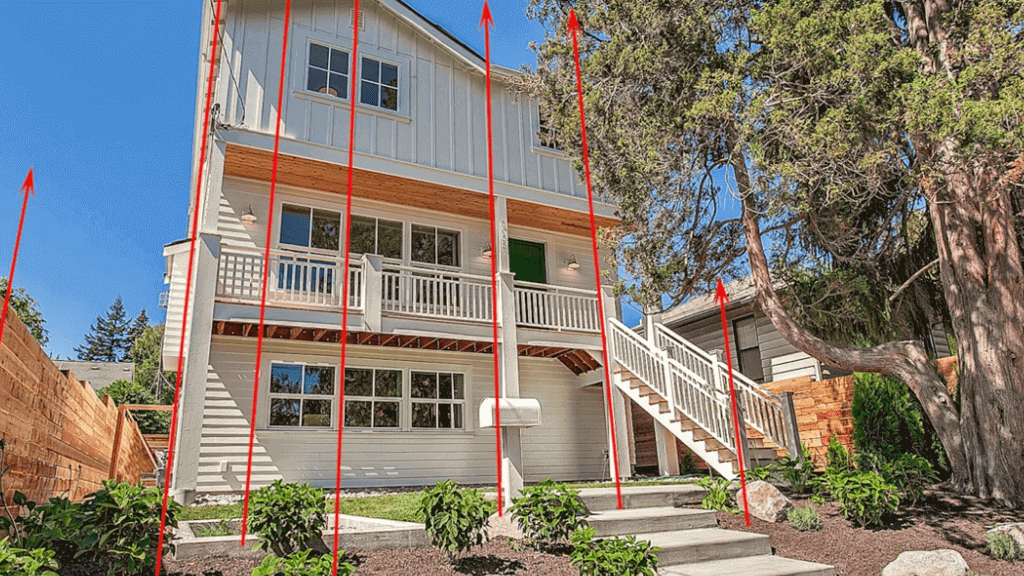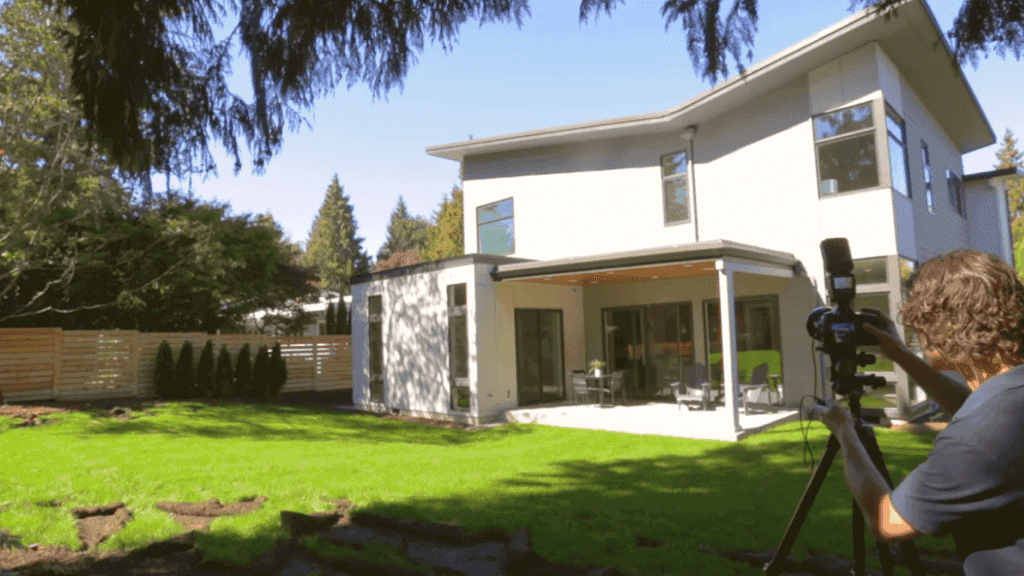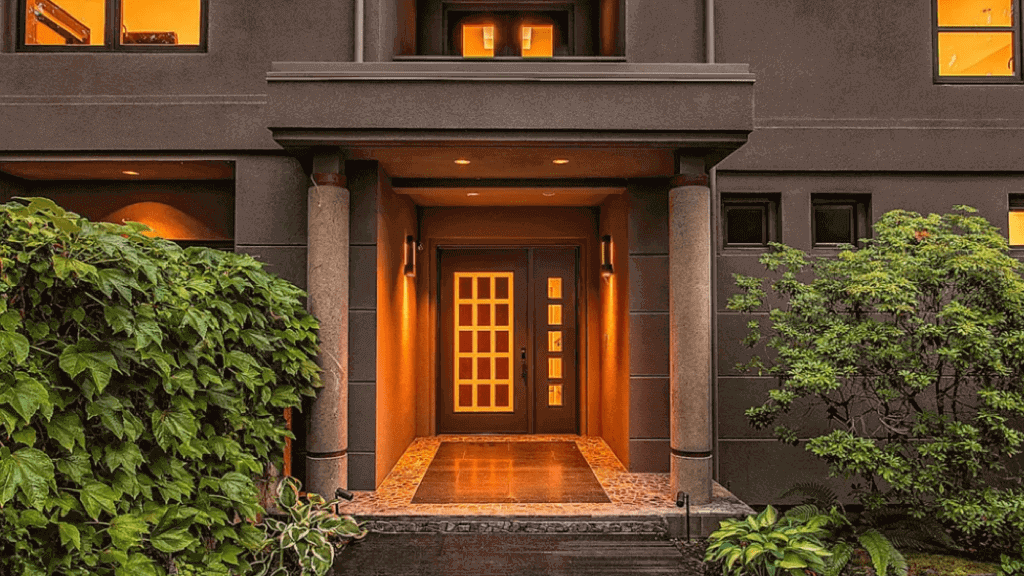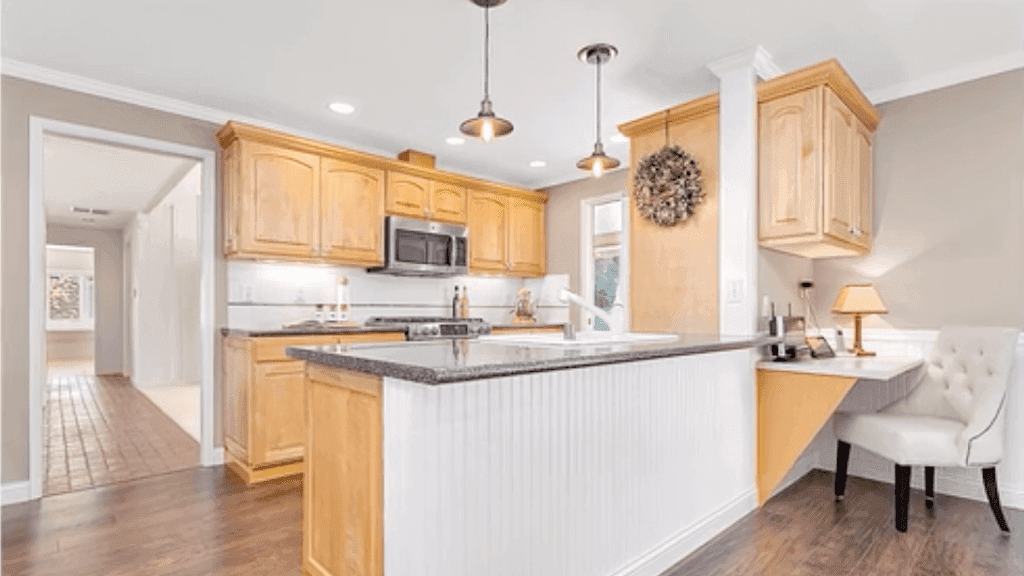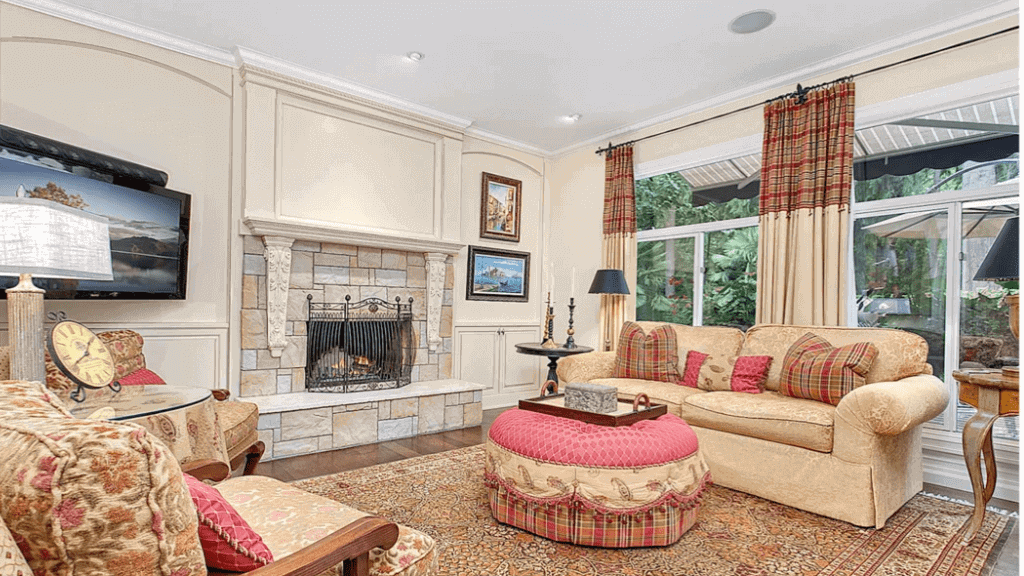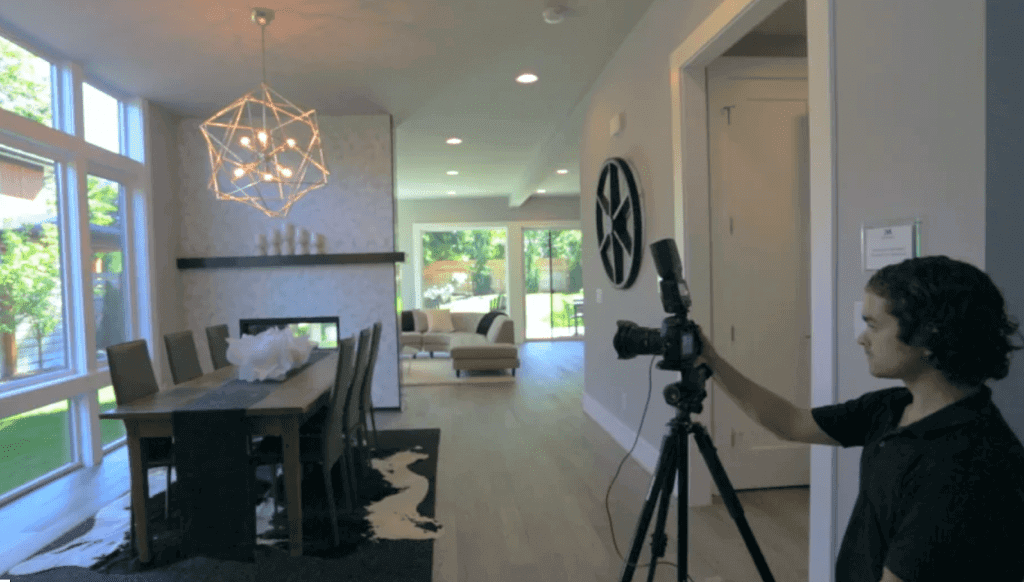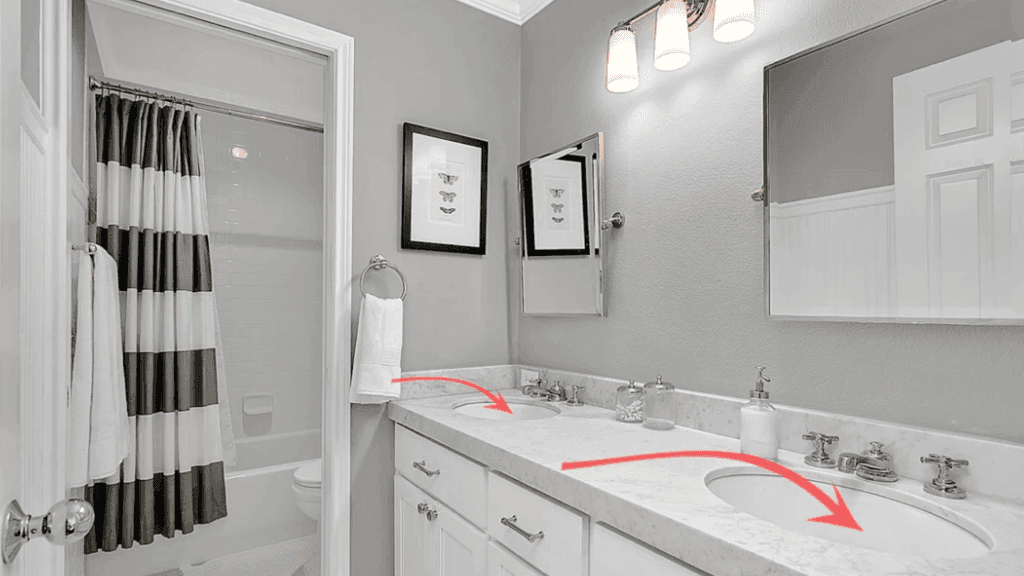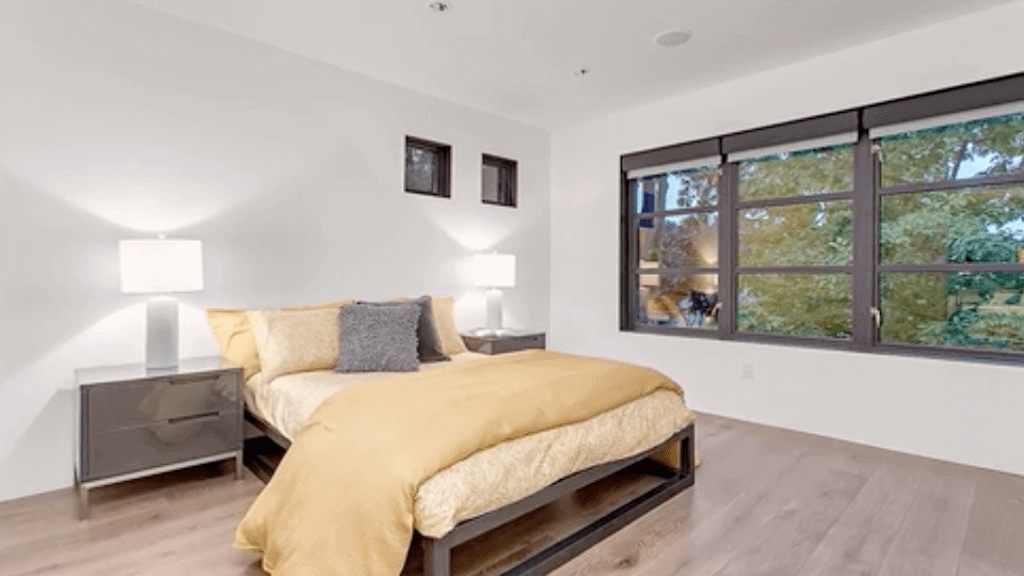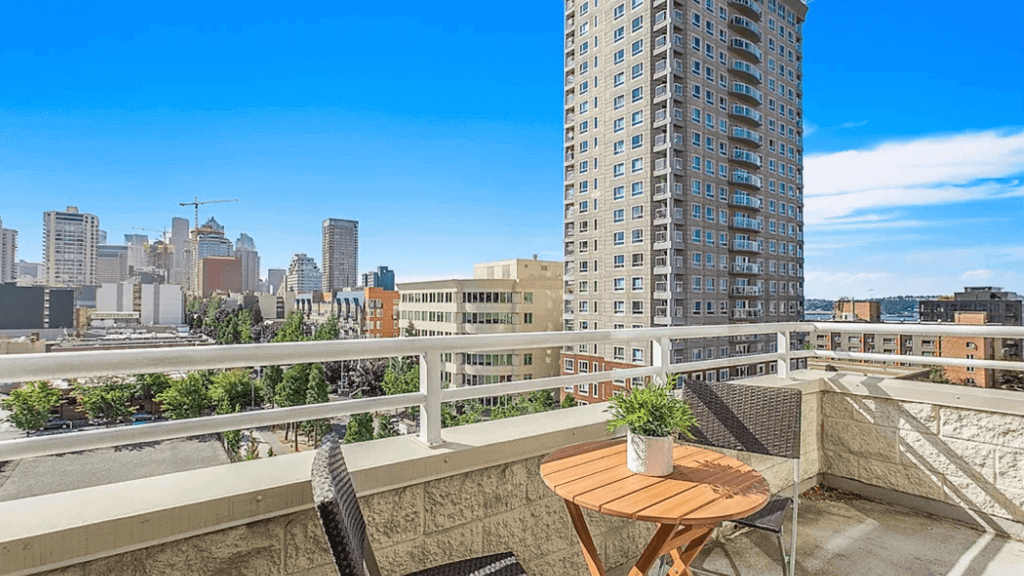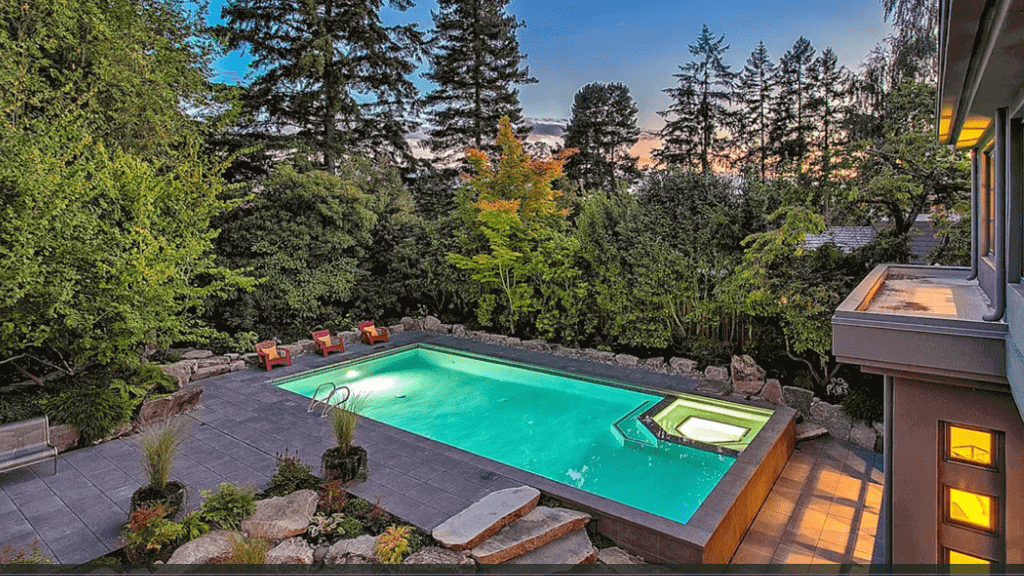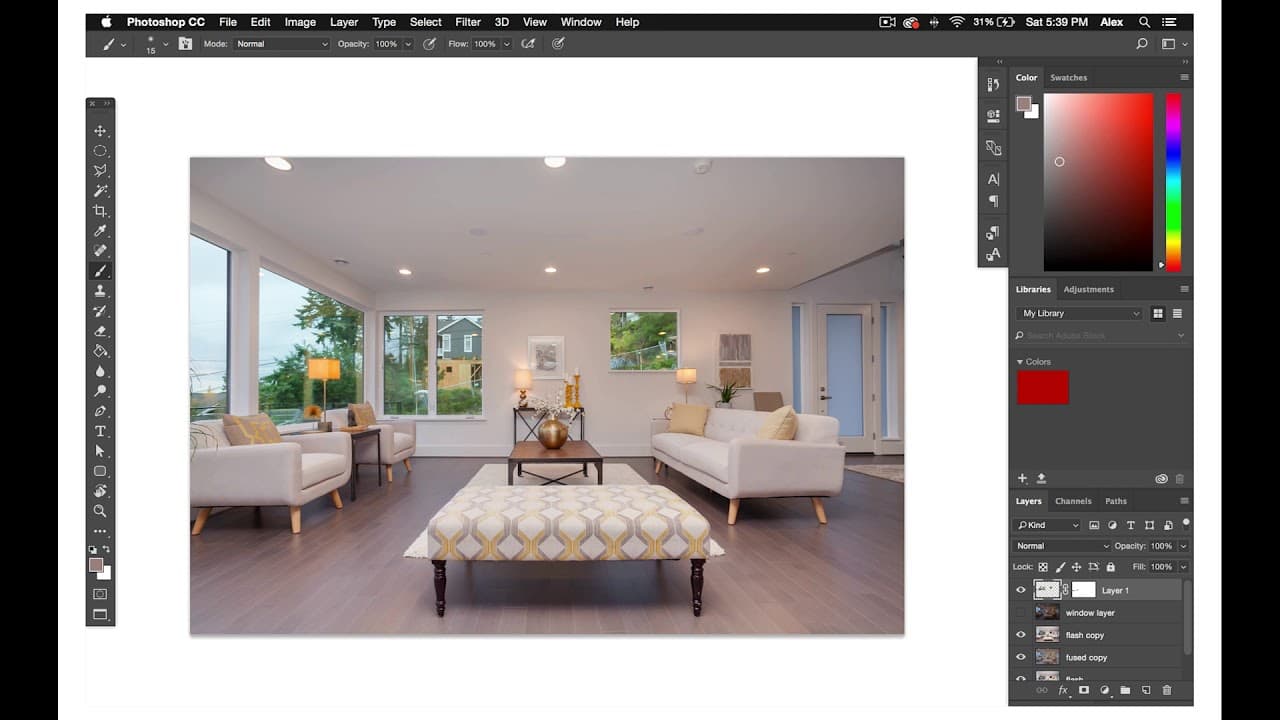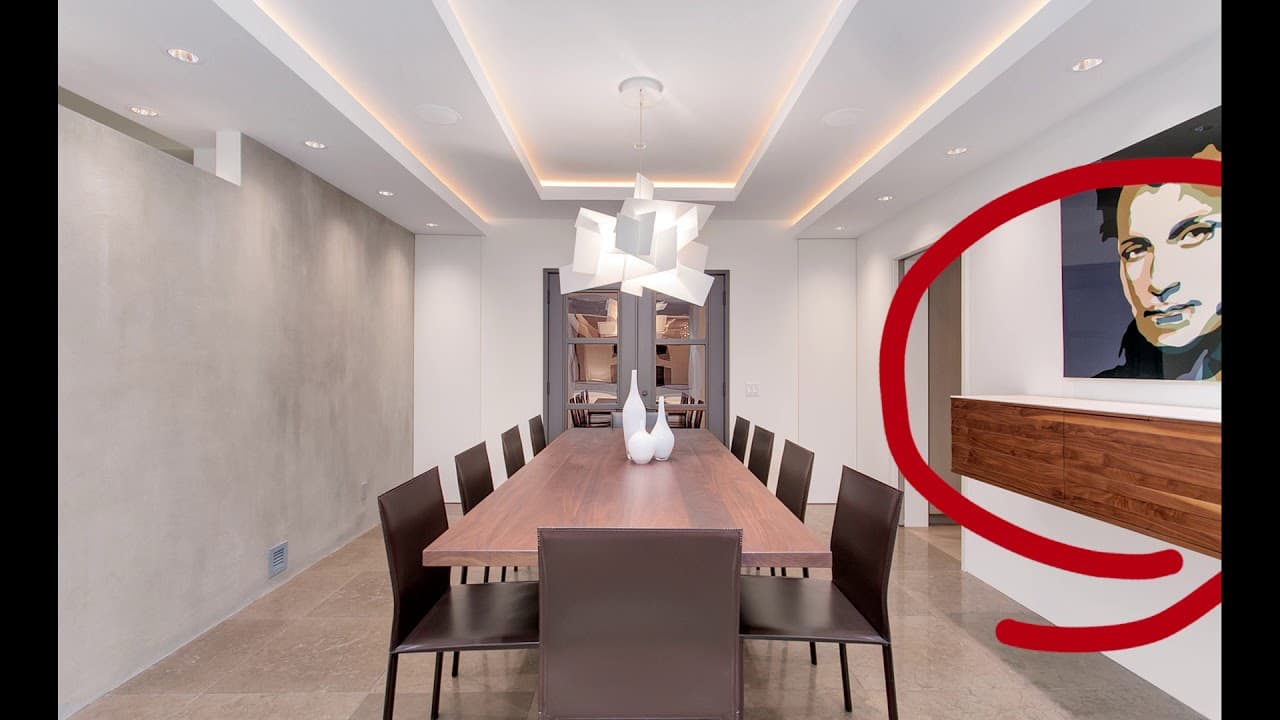
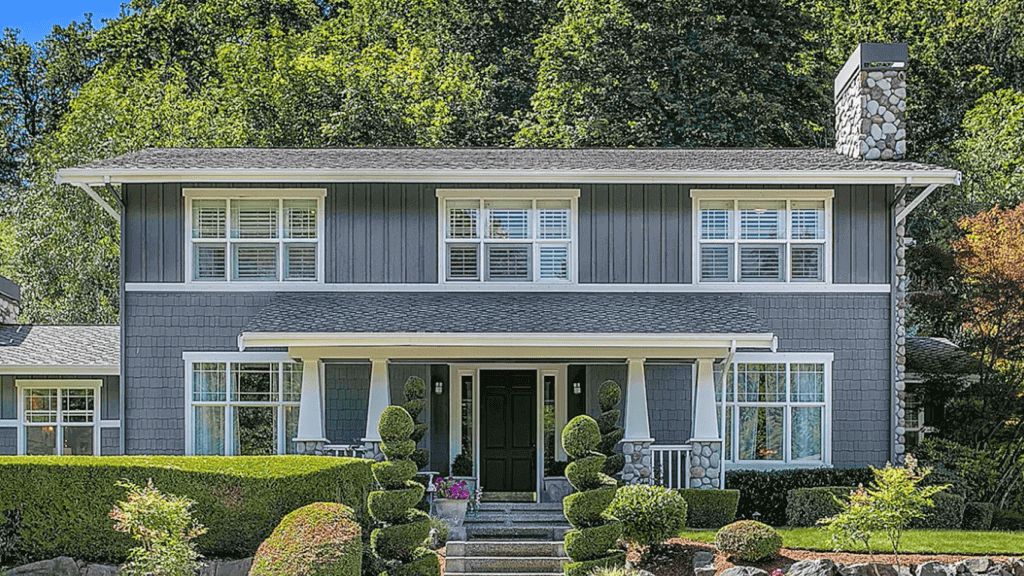
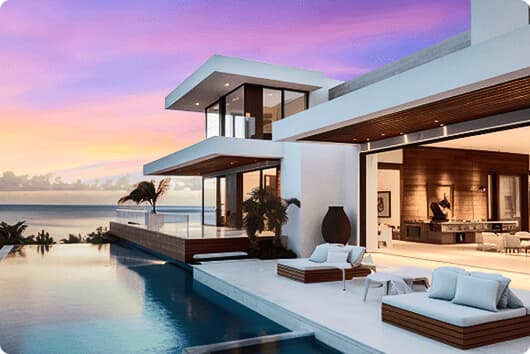

Developing a technical and intuitive grasp of composition and how do you use the laws of perspective to your advantage is one of the most crucial variables in being successful real estate photographer. Here's a quick breakdown of some of the basic principles you want to be aware of and understand. One-point perspective is when all orthogonal lines converge on a single vanishing point. A one-point perspective composition in which the horizontal lines are not parallel to the top and bottom edges of photo frame is telltale sign of an amateurish photographer. So make sure this horizontal lines are parallel. And since you also need to align the vertical lines to right and left edges in the photo frame, one-point perspectives often take a little bit longer to arrange and frame. One-point perspective shots are usually more effective if there's no walls closing in on either the left or the right side of the photograph. When there are two walls you risk making this space look claustrophobic and imprisoning. Not a good way to sell a house. Two point perspective is when the orthogonal lines of the composition converge on two different page vantage points.
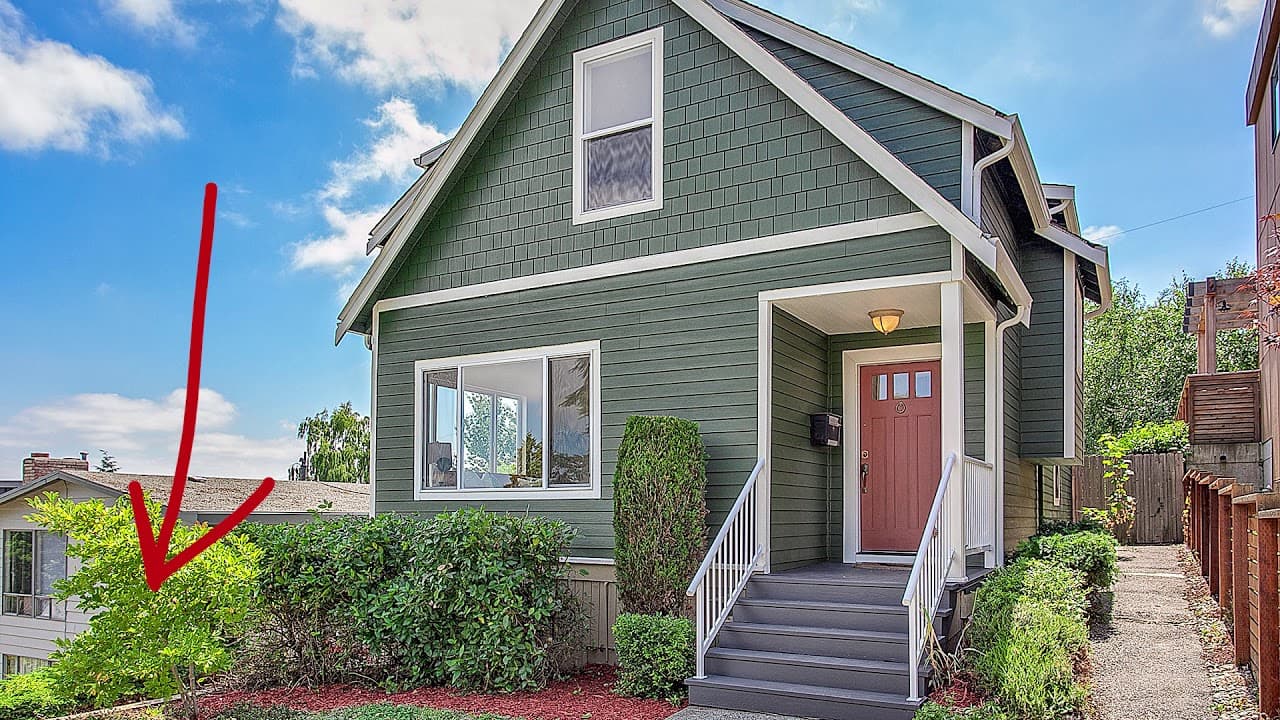
The majority of the photographs you will take will likely be in two point perspective because there are more diagonal lines and therefore it is a more dynamic way to organize your composition. You don't have to worry about your horizontal lines in two point perspective shots but you still want to make sure that your vertical lines are parallel to the left and right side of the picture.
If not even an untrained eye can tell the picture is disorderly and sluggishly composed. The rule of thirds is a basic guideline for making your compositions more dynamic and dramatic. The rule says that if you break your composition into 1/3 units vertically and horizontally, creating a grid of 9 rectangles, the point of emphasis in the composition should live in one of the intersection points rather than directly in the center of the composition or one of these grids. To deepen your understanding of the rule of thirds, do some research on the aesthetic theory of the Golden Ratio or Golden Proportion. This may inform some of your compositional decisions while you're on site working on a shoot.
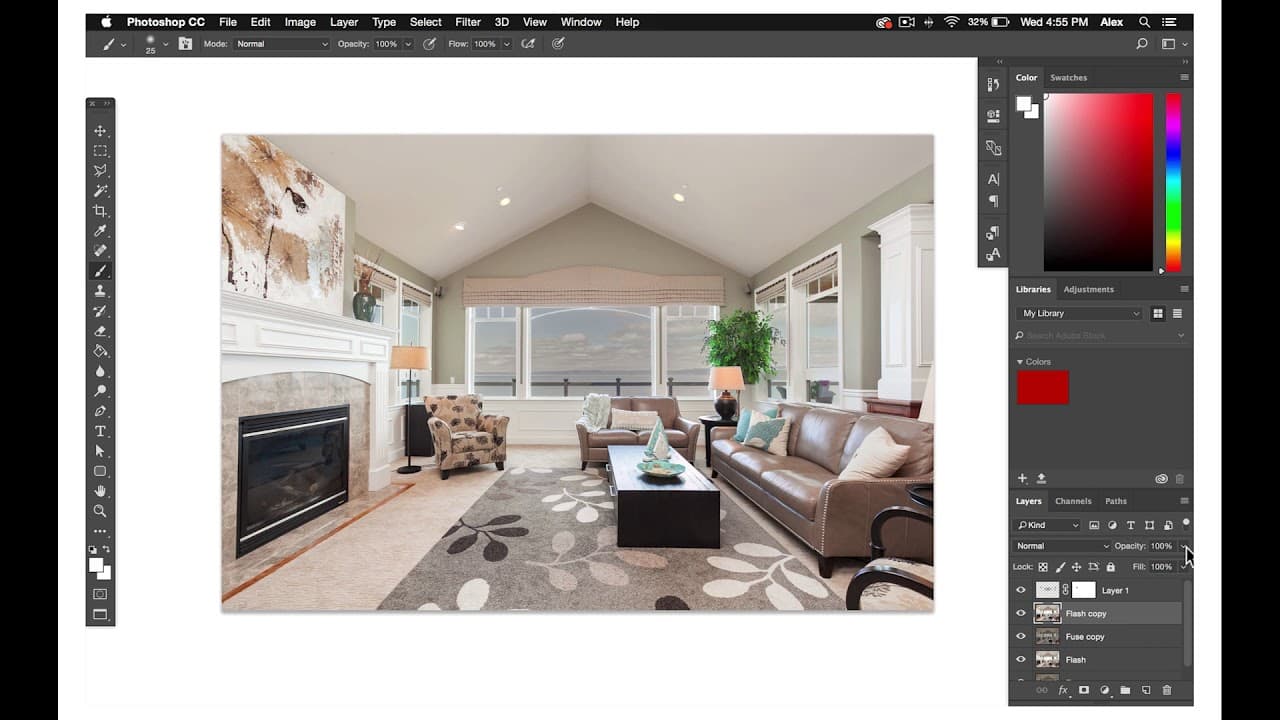
While moving through a space and capturing a thorough set of photographs, you'll be presented with the option of trying to cram to disparate spaces or compartmentalizing them according to their function and their spatial relationship to the rest of the house. For example, living rooms and kitchens often times exist adjacent to each other in an open air floor plan, however it is important to take shot of the living room isolated from its neighboring spaces as well as the kitchen isolated from its neighboring spaces. Then you might depending on discretion, bridge this gap with another shot contextualizing and showing how they relate. In general you want to avoid including a third wall when shooting a two-point perspective shot towards the corner.
The room will always appear larger if the viewer has to imagine where the third wall is, rather than having it transparently closing in on the side of the composition. Camera height is another important compositional consideration. Since it is important to have straight vertical lines in every photo that you take the interior house, you won't ever point your lens down into a space from an elevated vantage point.
So in general, your camera should be mounted well below eye level, of otherwise the ceiling will be the largest piece of the composition especially in houses with wide-open rooms or low-hanging ceilings or both. Unless the broker insists otherwise avoid entirely vertical composition. The MLS interface poorly accommodates vertical aspect ratio so most agents dislike disrupting the flow their photo set by including them.
The majority of the photographs you will take will likely be in two point perspective because there are more diagonal lines and therefore it is a more dynamic way to organize your composition. You don't have to worry about your horizontal lines in two point perspective shots but you still want to make sure that your vertical lines are parallel to the left and right side of the picture.
If not even an untrained eye can tell the picture is disorderly and sluggishly composed. The rule of thirds is a basic guideline for making your compositions more dynamic and dramatic. The rule says that if you break your composition into 1/3 units vertically and horizontally, creating a grid of 9 rectangles, the point of emphasis in the composition should live in one of the intersection points rather than directly in the center of the composition or one of these grids. To deepen your understanding of the rule of thirds, do some research on the aesthetic theory of the Golden Ratio or Golden Proportion. This may inform some of your compositional decisions while you're on site working on a shoot.
Another important consideration in real estate photography is compartmentalizing space.
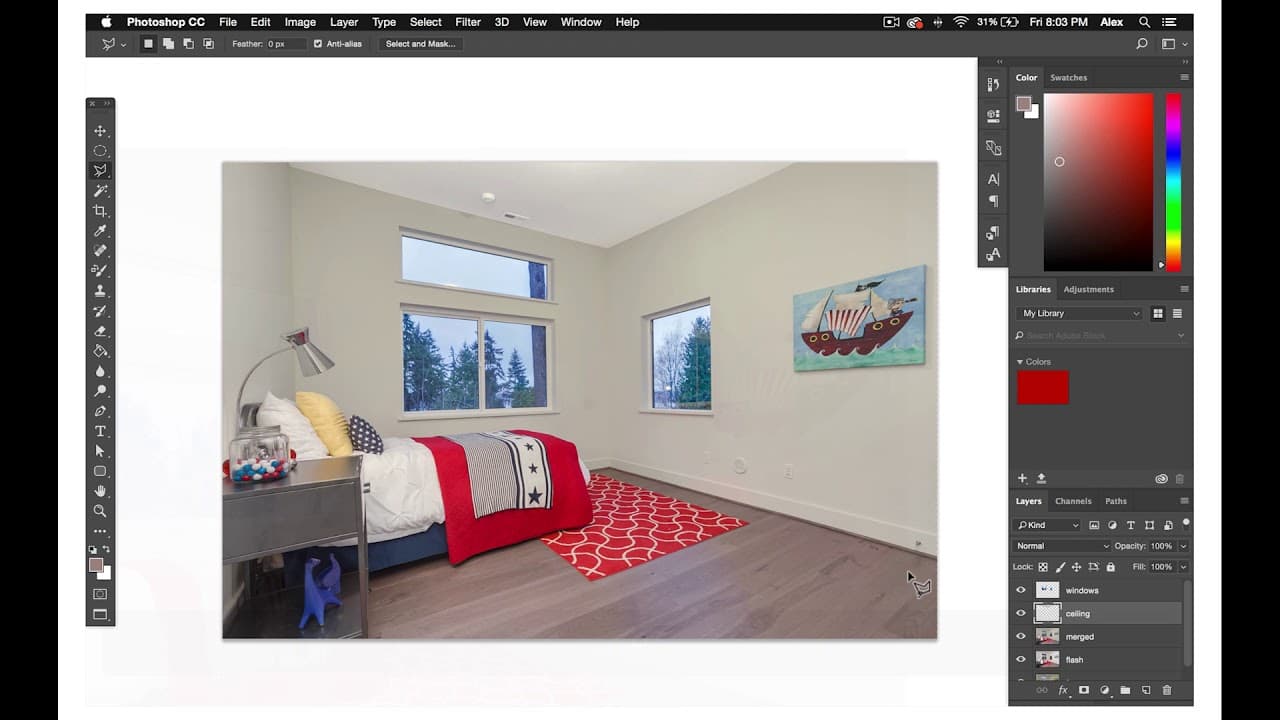
While moving through a space and capturing a thorough set of photographs, you'll be presented with the option of trying to cram to disparate spaces or compartmentalizing them according to their function and their spatial relationship to the rest of the house. For example, living rooms and kitchens often times exist adjacent to each other in an open air floor plan, however it is important to take shot of the living room isolated from its neighboring spaces as well as the kitchen isolated from its neighboring spaces. Then you might depending on discretion, bridge this gap with another shot contextualizing and showing how they relate. In general you want to avoid including a third wall when shooting a two-point perspective shot towards the corner.
The room will always appear larger if the viewer has to imagine where the third wall is, rather than having it transparently closing in on the side of the composition. Camera height is another important compositional consideration. Since it is important to have straight vertical lines in every photo that you take the interior house, you won't ever point your lens down into a space from an elevated vantage point.
So in general, your camera should be mounted well below eye level, of otherwise the ceiling will be the largest piece of the composition especially in houses with wide-open rooms or low-hanging ceilings or both. Unless the broker insists otherwise avoid entirely vertical composition. The MLS interface poorly accommodates vertical aspect ratio so most agents dislike disrupting the flow their photo set by including them.