

Step 1
Sign up for free
Create your free account. No subscription is required to start editing.

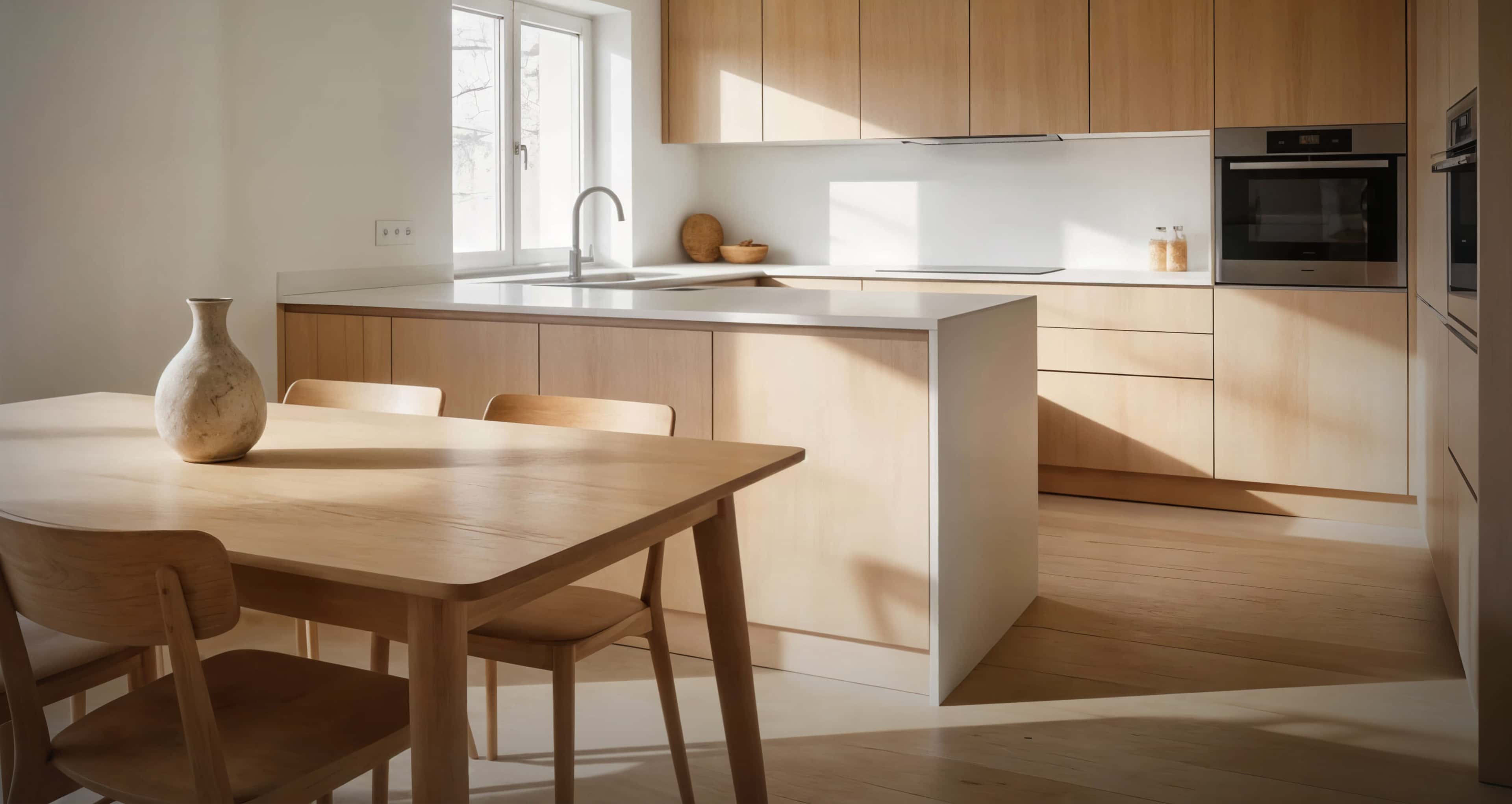
Remove personal items, surface clutter, cables, and distracting objects to emphasize property space, natural light, and architectural lines without altering permanent fixtures.
Price starts at only:
$1/ photo
Includes:
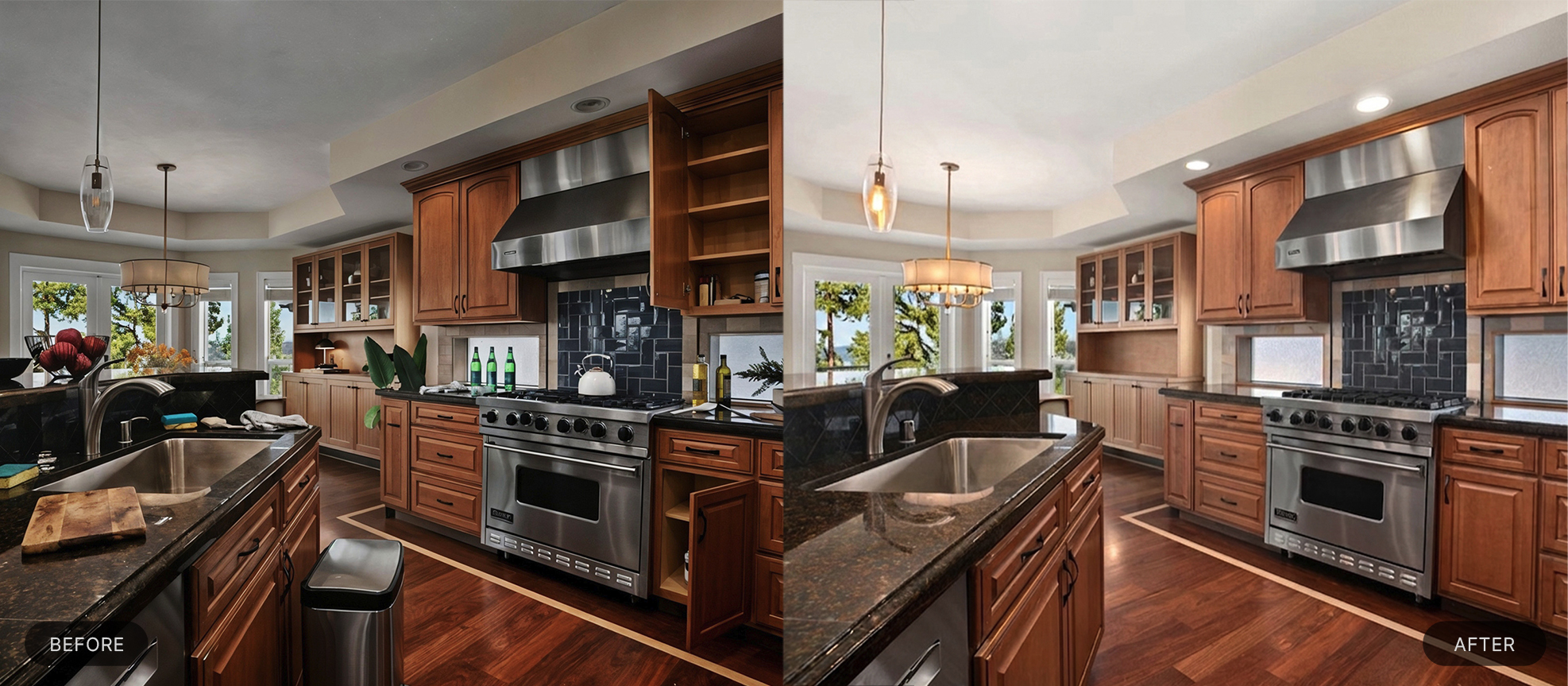
From kitchen prep spaces and open-plan living areas to outdoor patios and home offices, explore our digital object removal and decluttering portfolio.
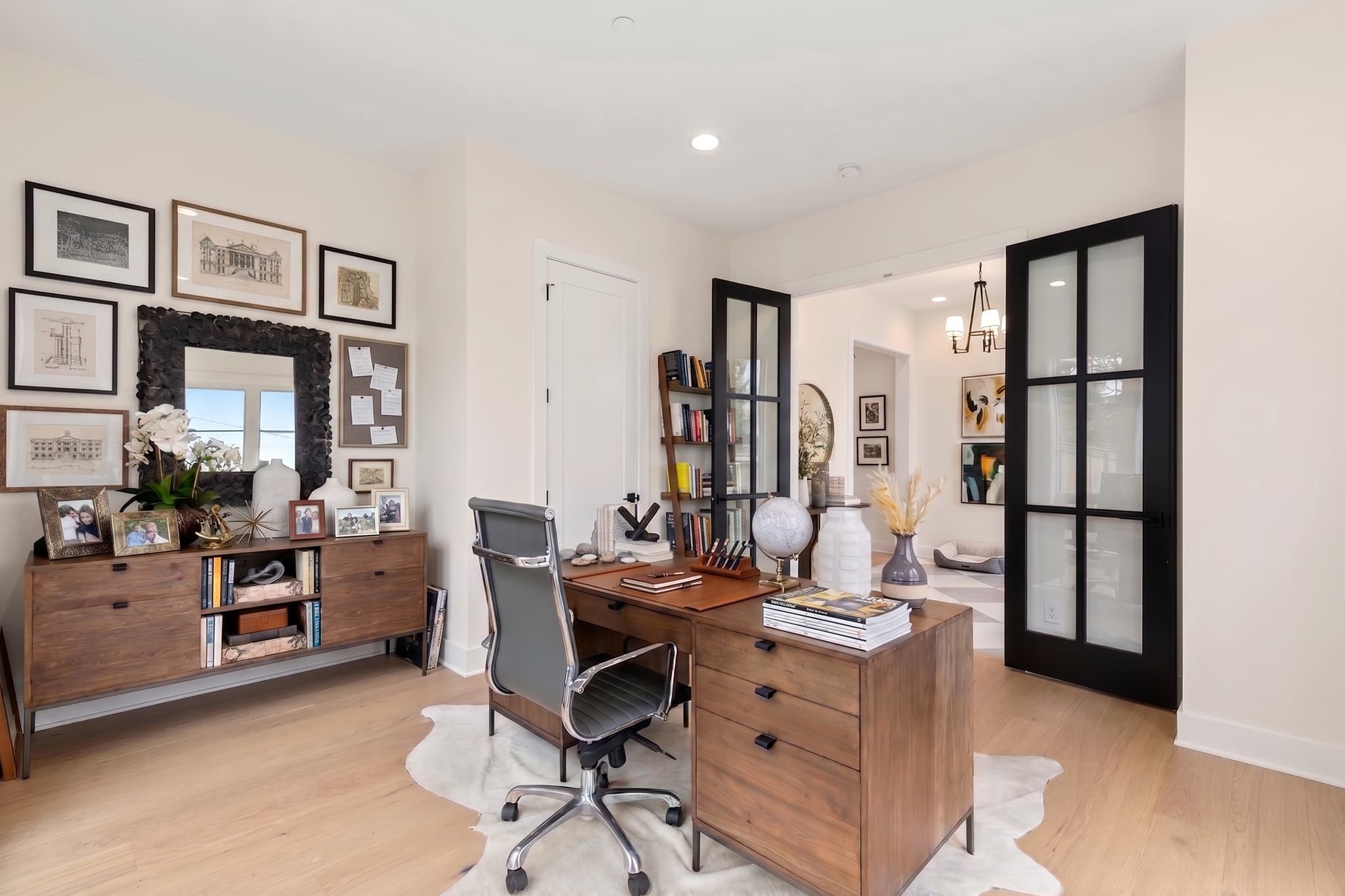
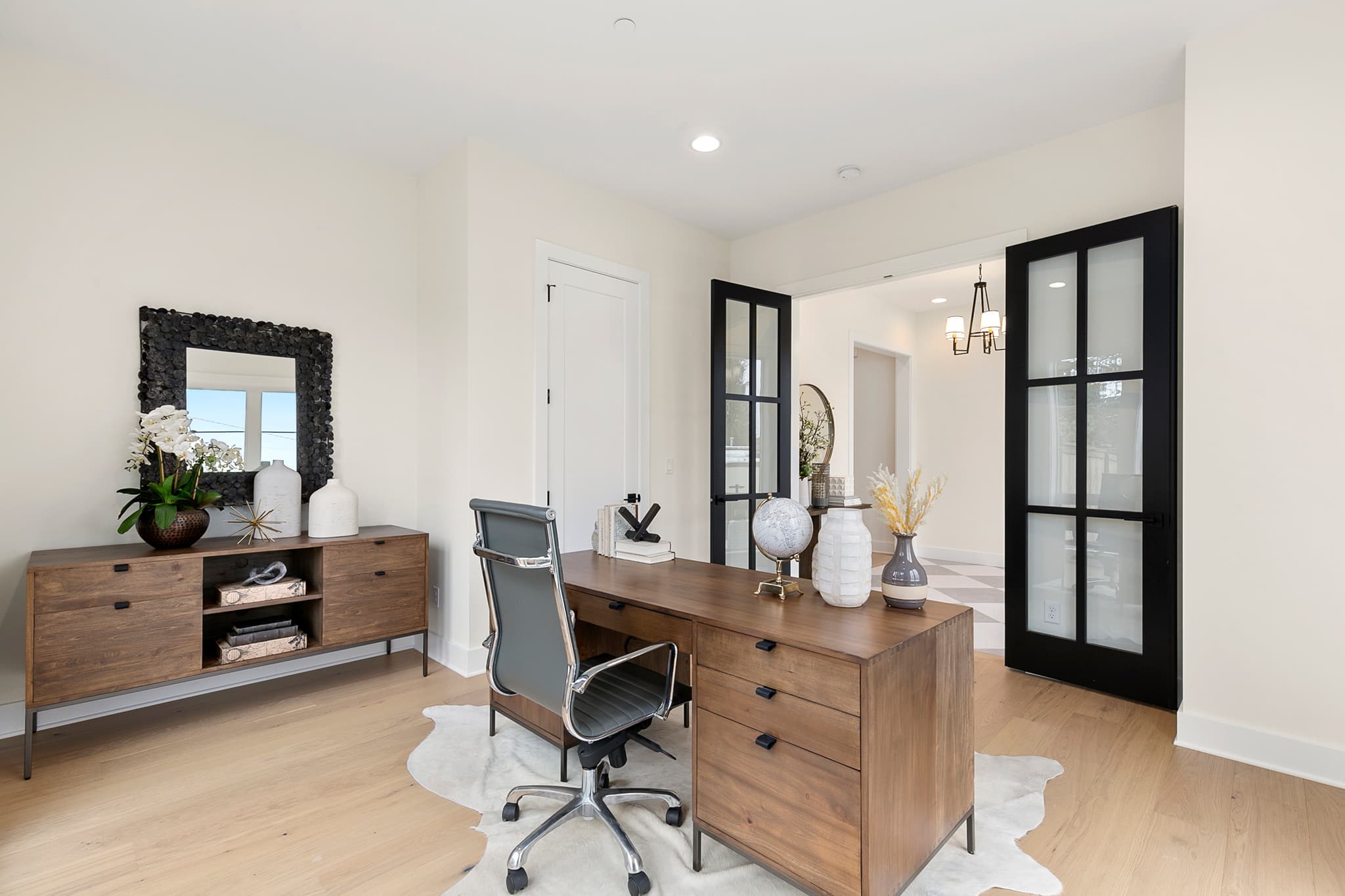
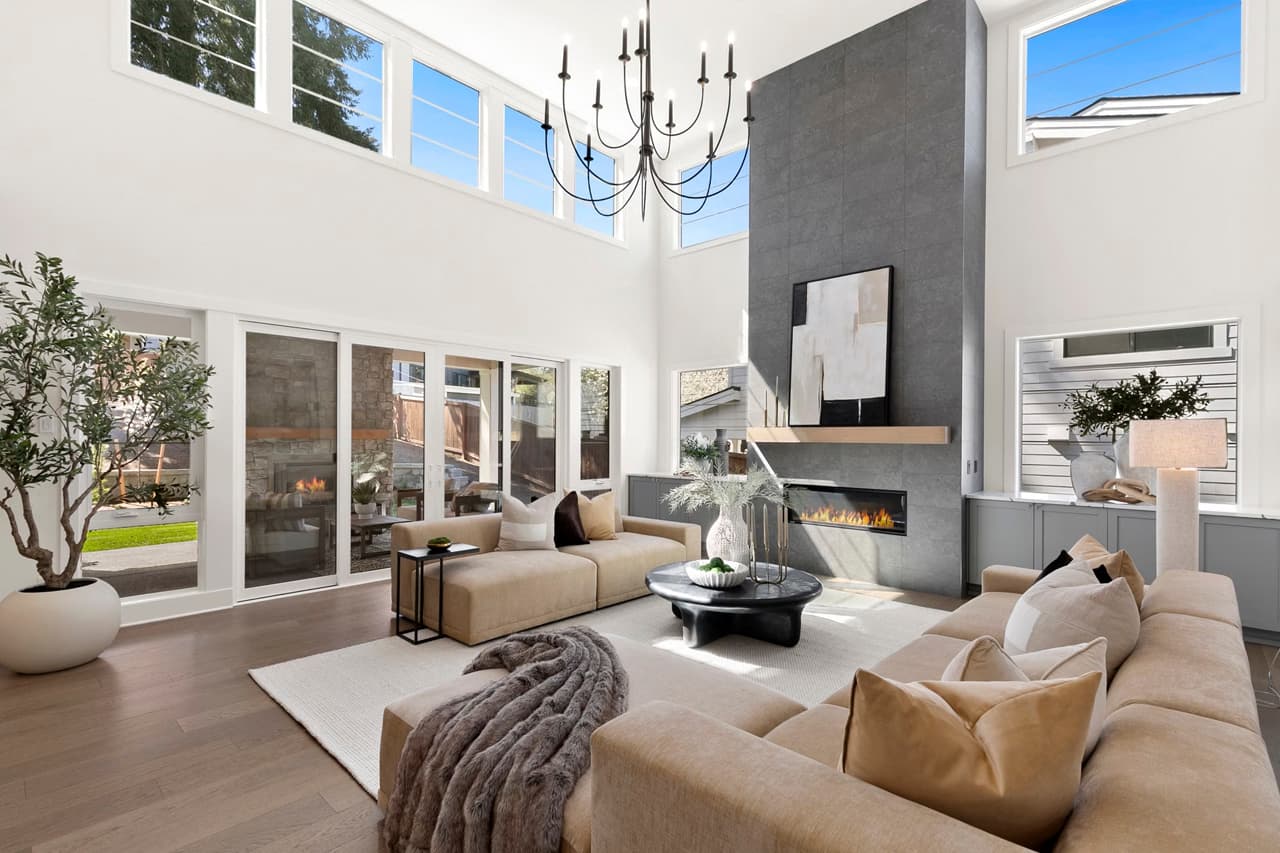
A bright home office was cleared to emphasize its floor-to-ceiling windows, open floor plan, and connection to the outdoor space.
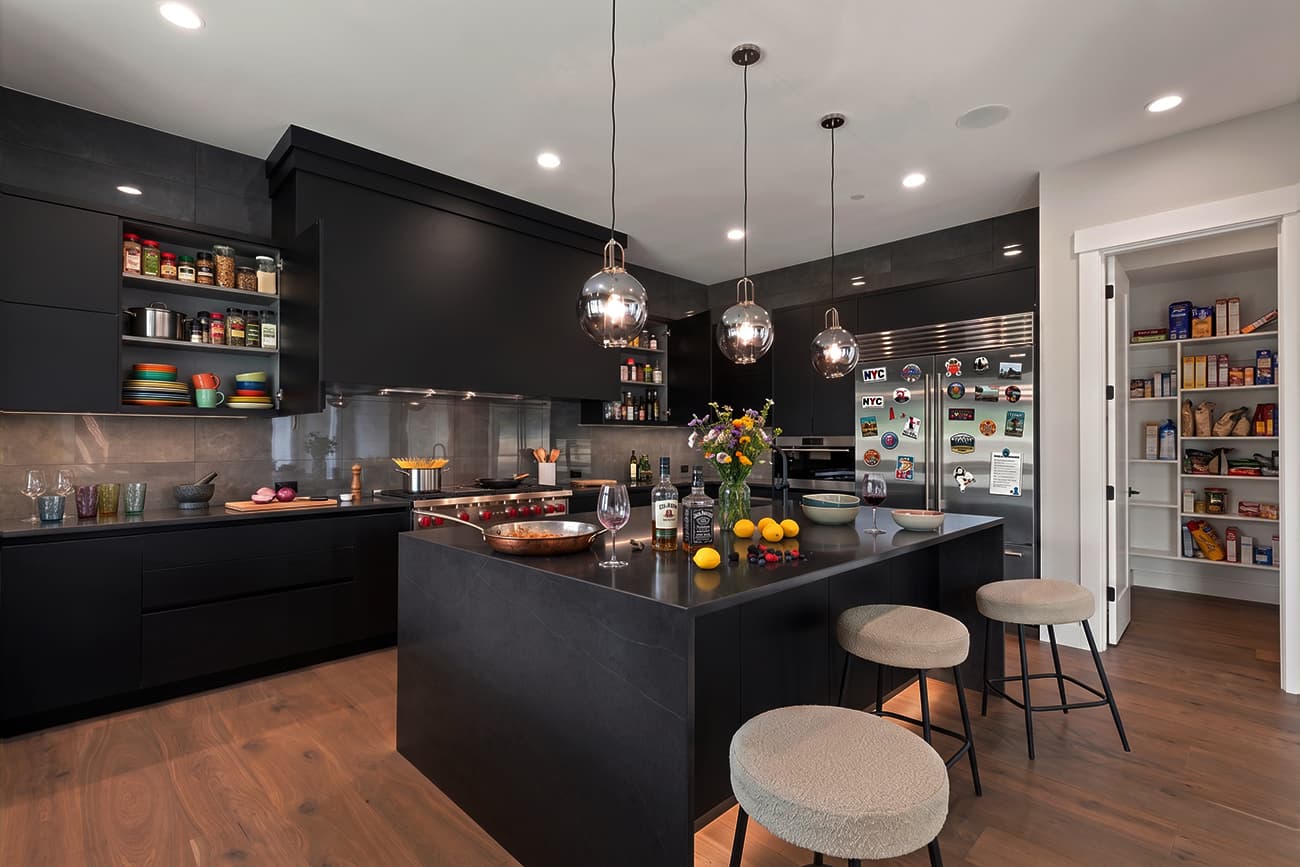
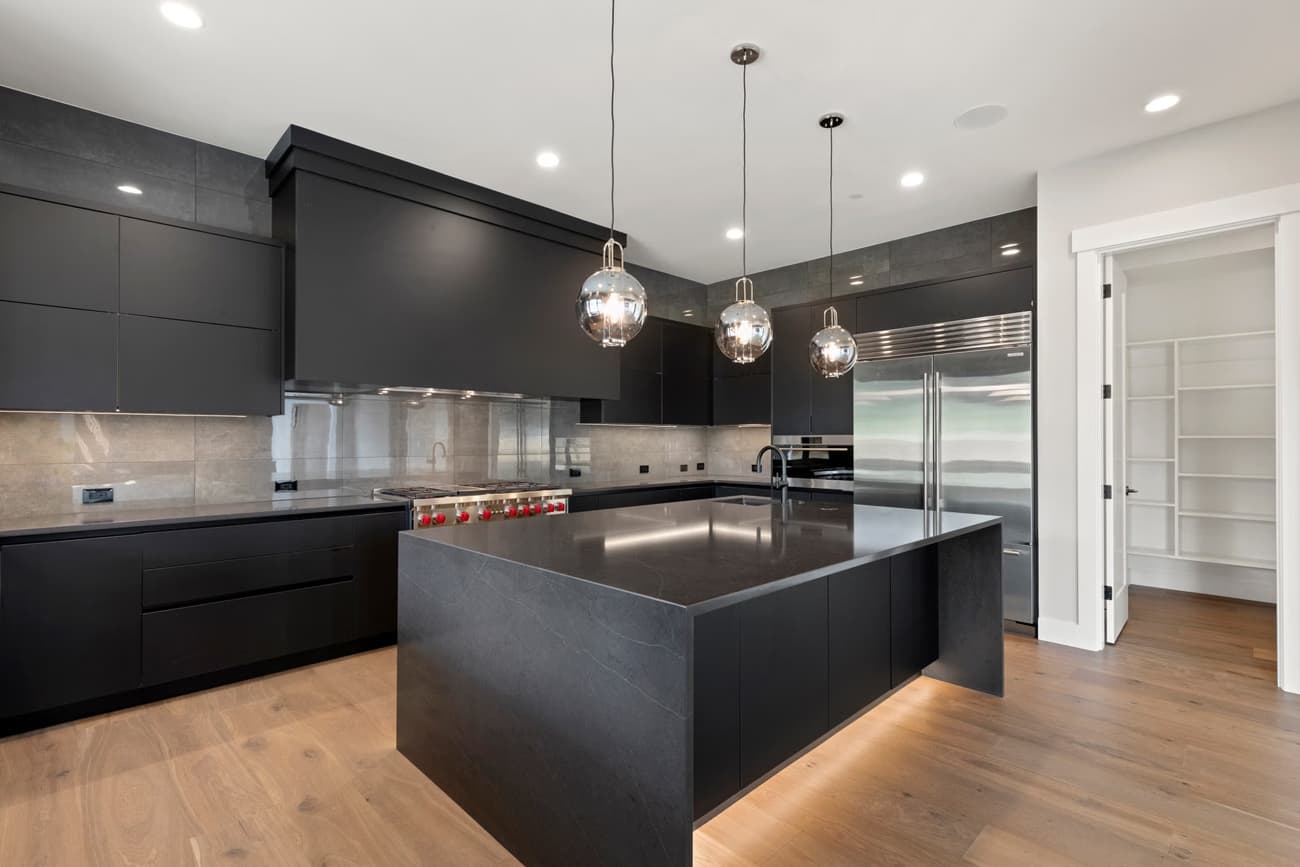
A clean open-plan kitchen keeps attention on the island, wood cabinetry, natural light, and the easy flow between cooking and living areas.
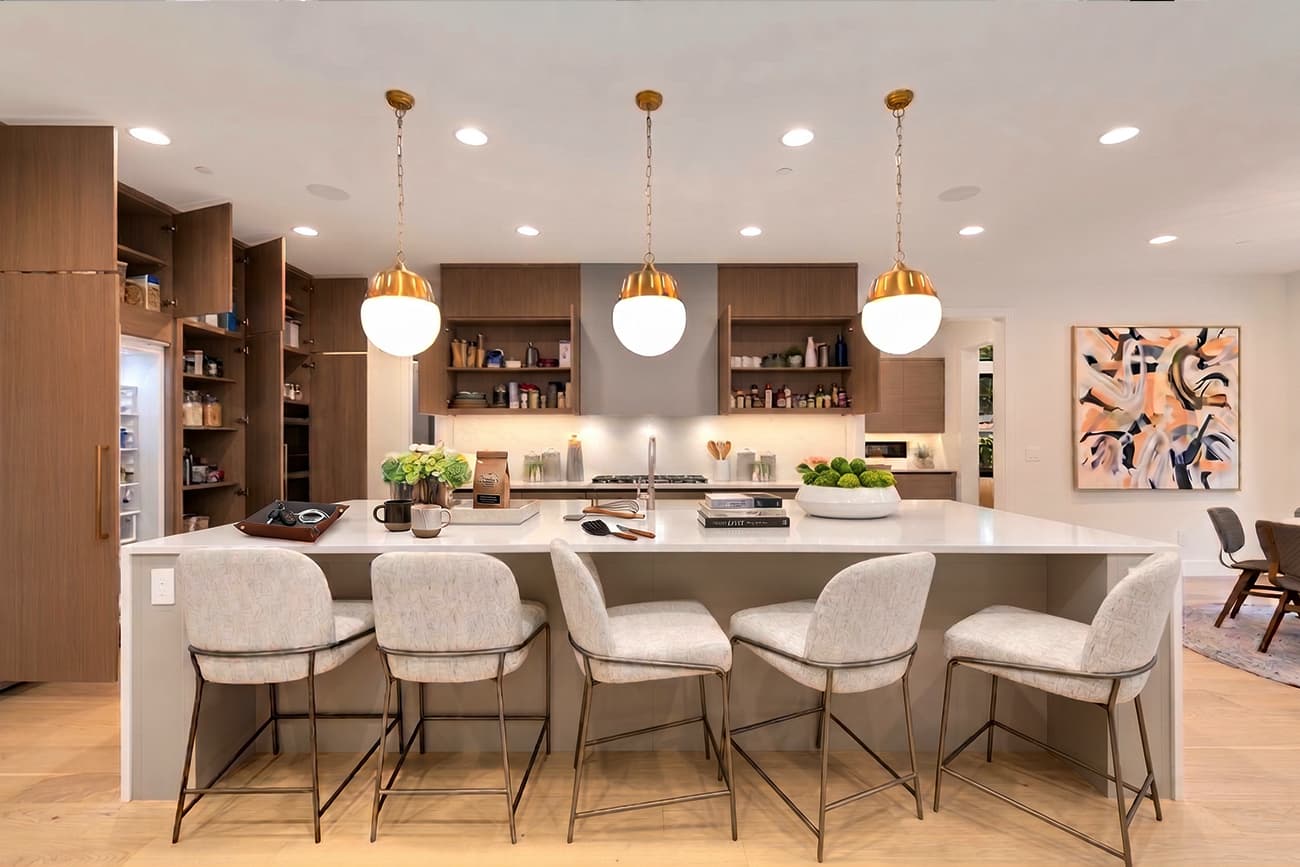
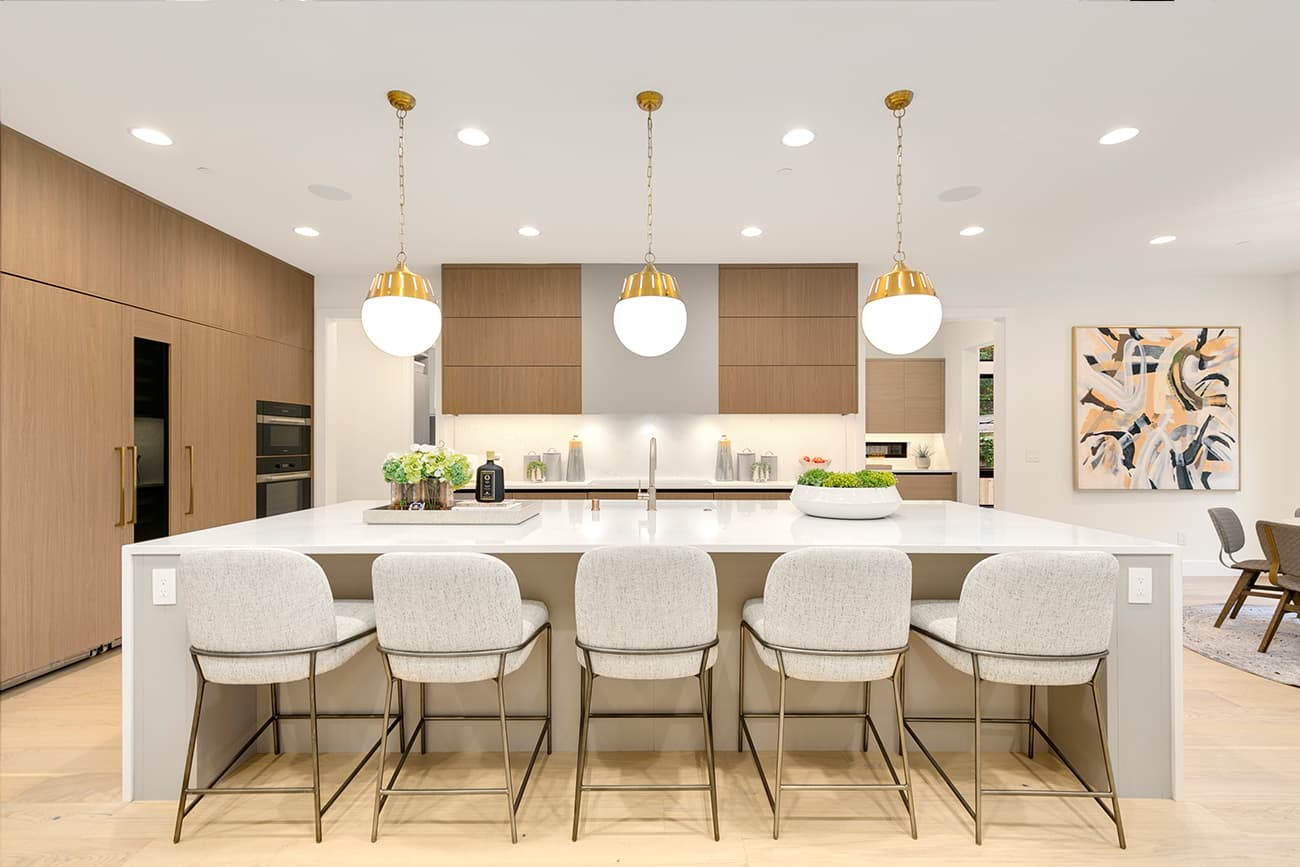
Surface clutter was eliminated to emphasize counter continuity and appliance alignment. The removal of incidental objects allows materials, workflow, and spatial rhythm to come forward without distraction.
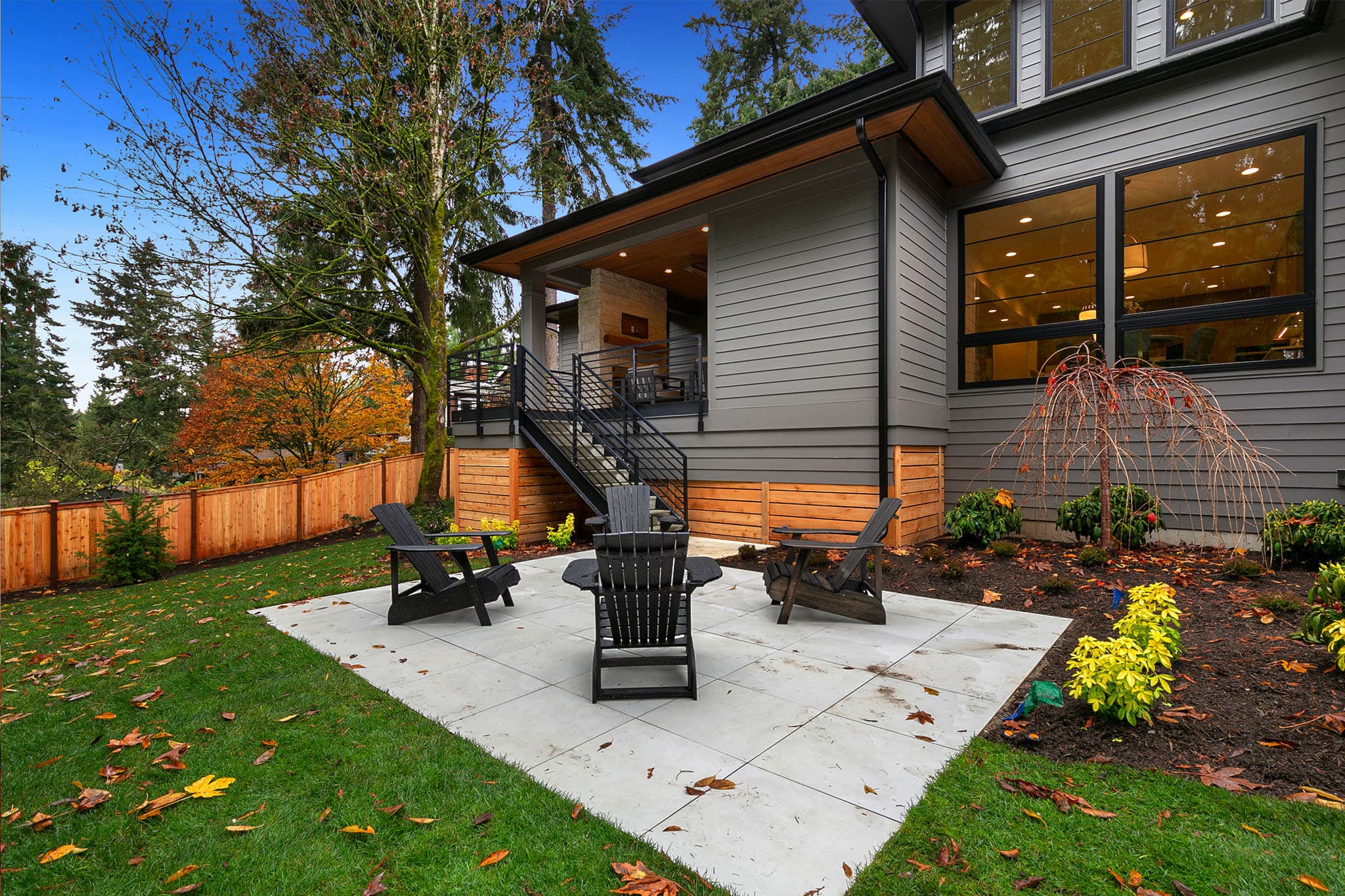
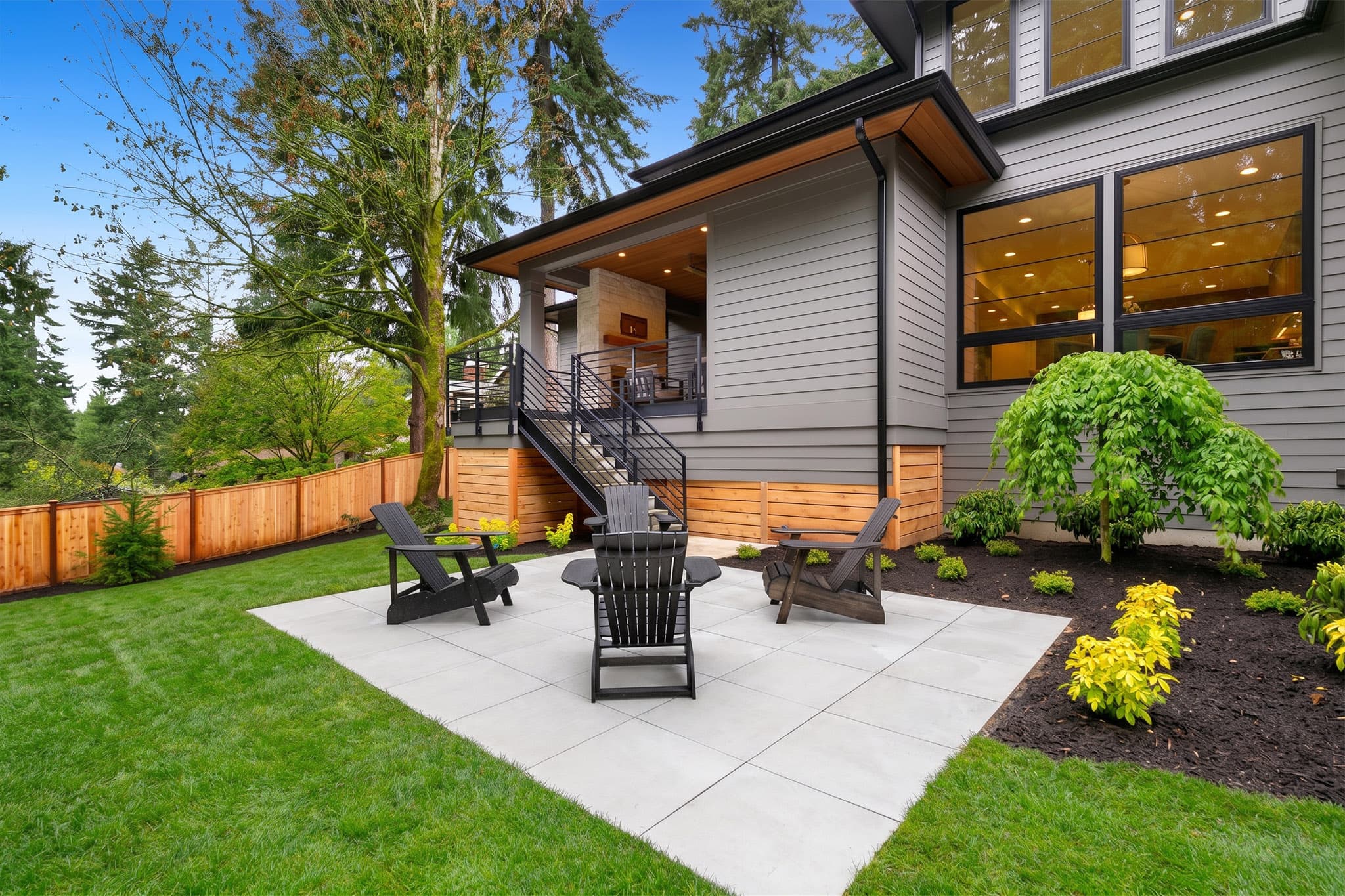
An outdoor living area was cleared and refined to highlight the covered patio, seating space, rear entry, and connection to the surrounding landscape.
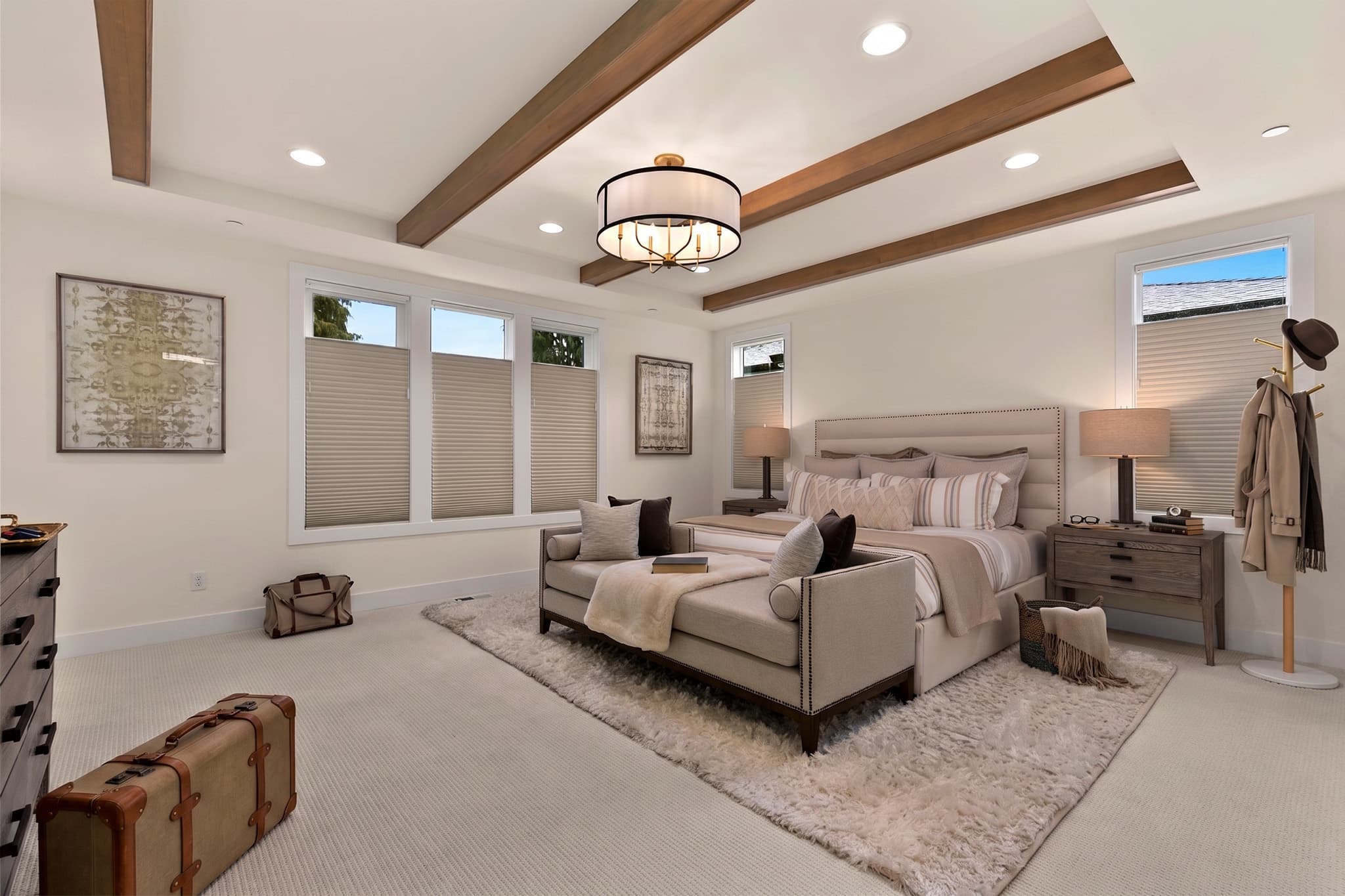
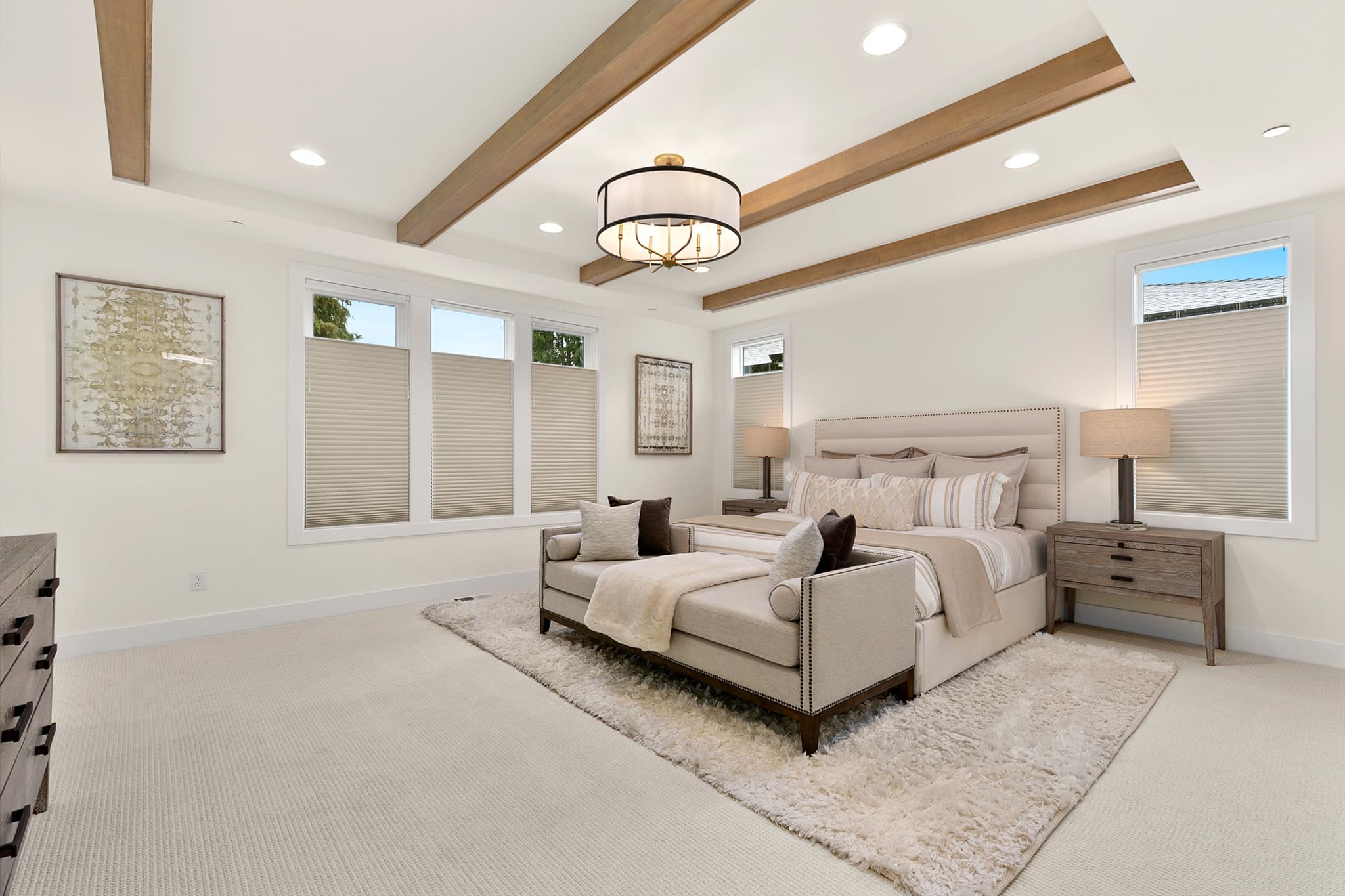
A bedroom was cleared to emphasize its generous proportions, clean architectural lines, and natural light from the large windows.
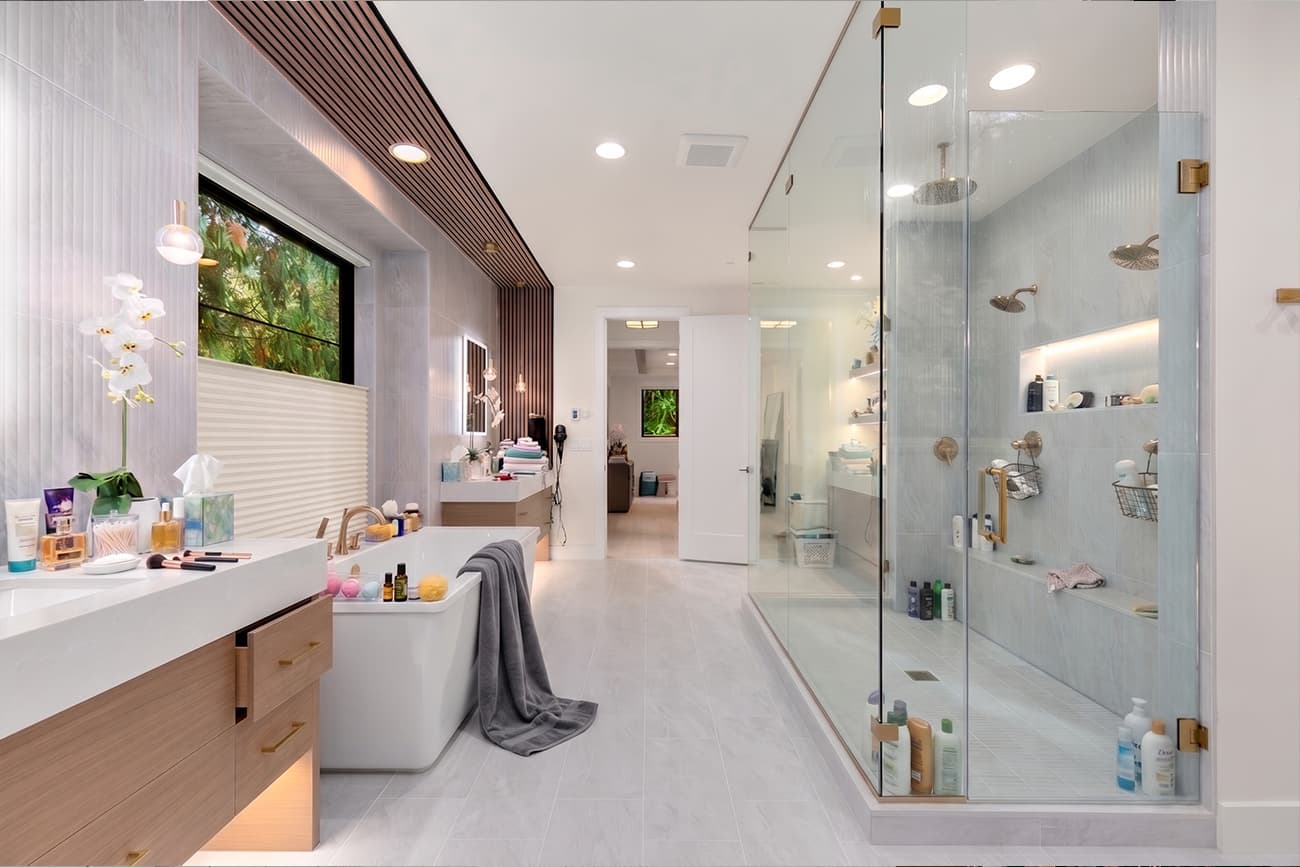
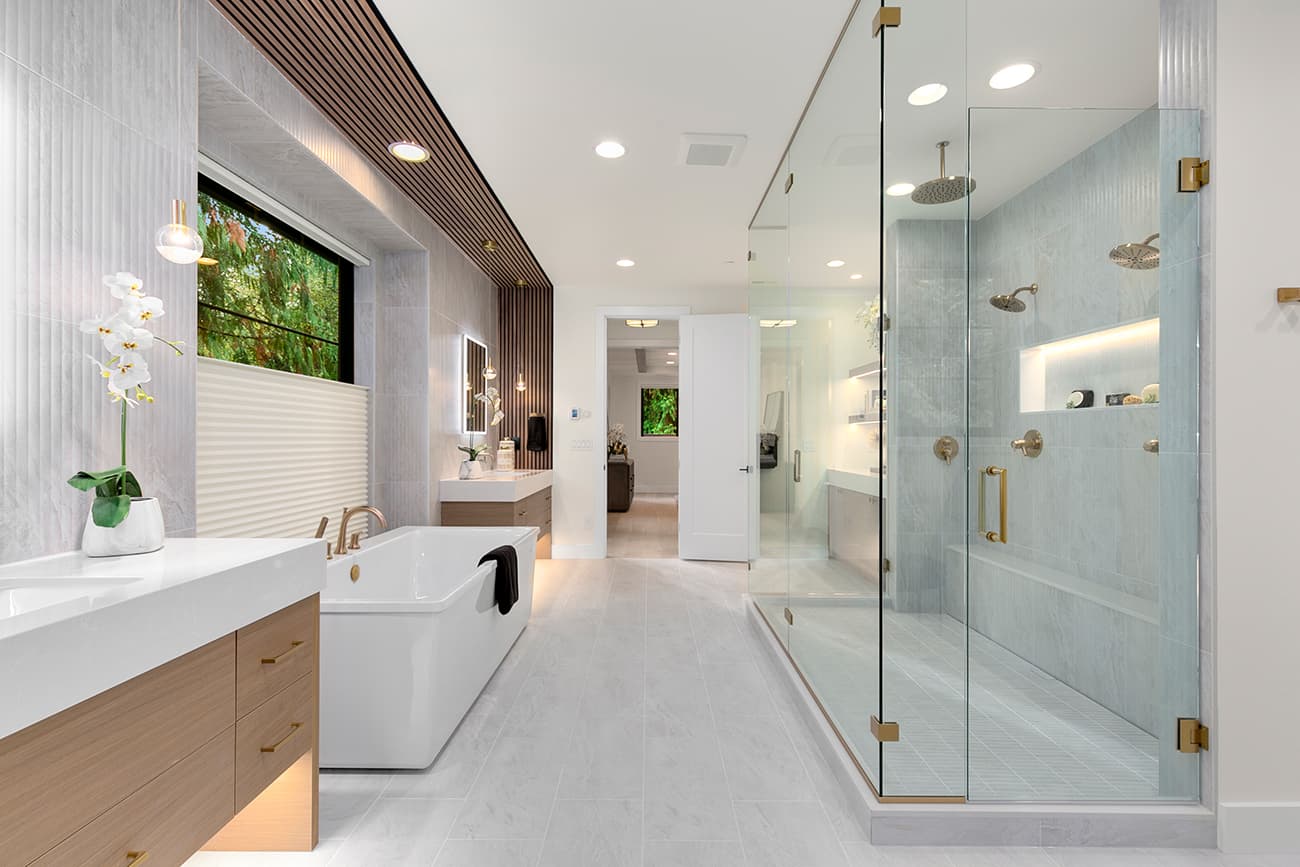
A bathroom was cleared and refined to bring focus to its fixtures, finishes, and clean circulation while keeping the space natural and inviting.
Upload your property photos and specify items or areas to clear. Receive clean, spacious, MLS-ready listing images within 12 to 24 hours.
Scale your real estate media with Phixer's enterprise plans, offering discounted volume rates and priority processing.
$29
/ monthFeatures:
$399
/ monthFeatures:
$899
/ monthFeatures:
Special Pricing
Features:
Elevate every listing beyond standard editing with specialized solutions for virtual staging, twilight conversions, room decluttering, photo enhancement, video editing, and instant lawn replacement.
Enhance property photos with balanced exposure, natural colors, clear window pulls, and professional flambient and HDR blending.
Starting price
$0.50/photo
Turn raw clips into cinematic real estate films, vertical social media reels, and listing walkthroughs with licensed audio and branding.
Starting price
$65/video
Stage any vacant room with stylish designer furnishings to help buyers visualize the property's full potential.
Starting price
$15/photo
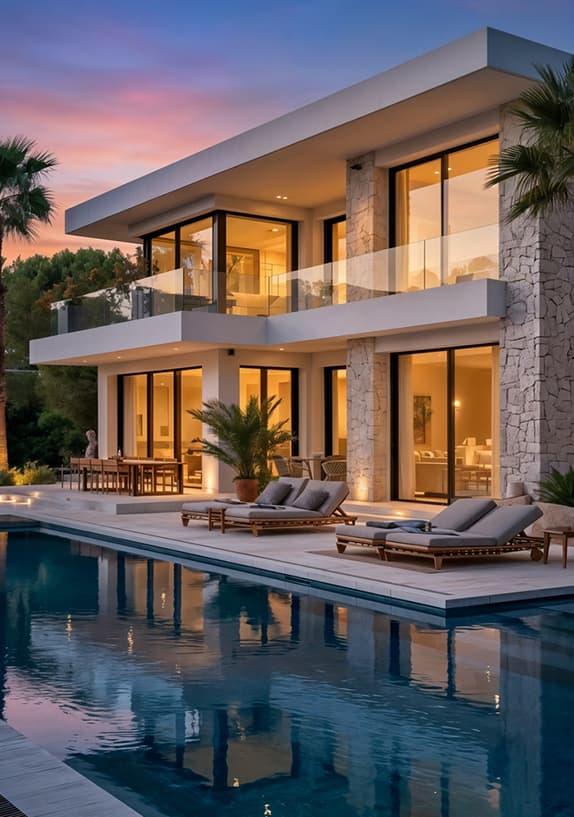
Turn daytime exteriors into sunset views. Convert daylight photos into warm twilight views that stand out on MLS listings.
Starting price
$5/photo
Upgrade your curb appeal by replacing dry, patchy, or muddy yards with lush, perfectly manicured green grass.
Starting price
$5/photo
Upload your cluttered property photos, specify items or areas to clear, and receive clean, spacious, MLS-compliant images.
Create your free account. No subscription is required to start editing.
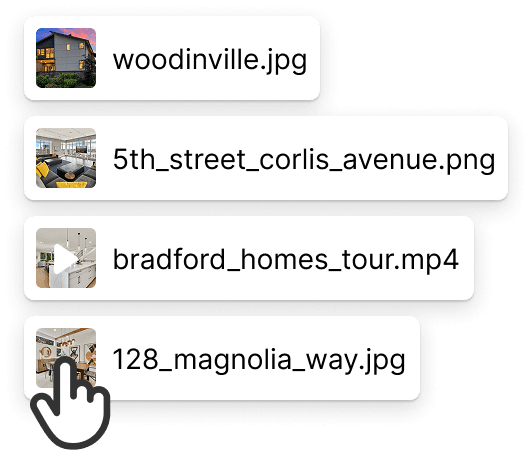
Upload your raw files, choose an editing package and delivery time, then submit your project.
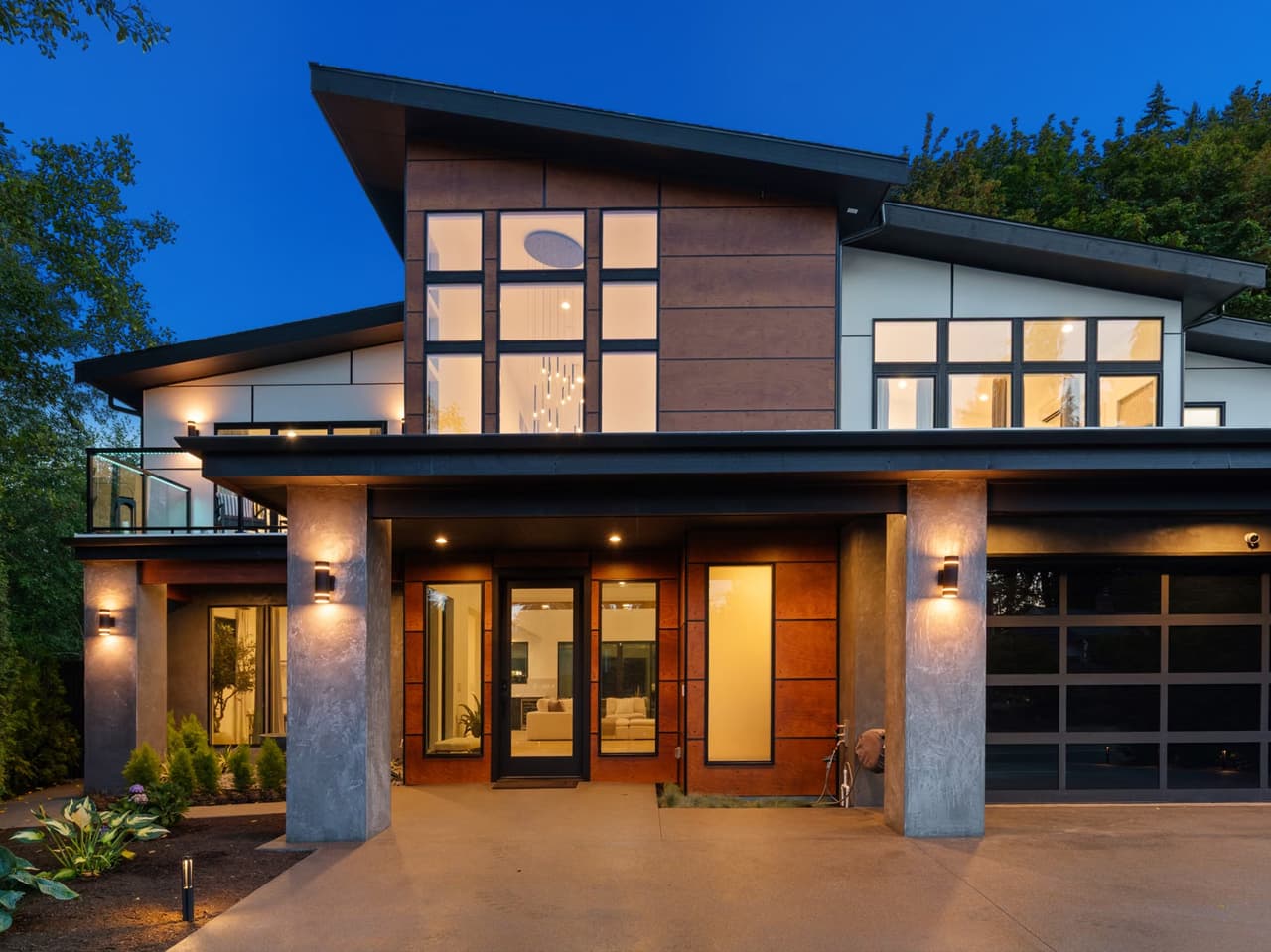
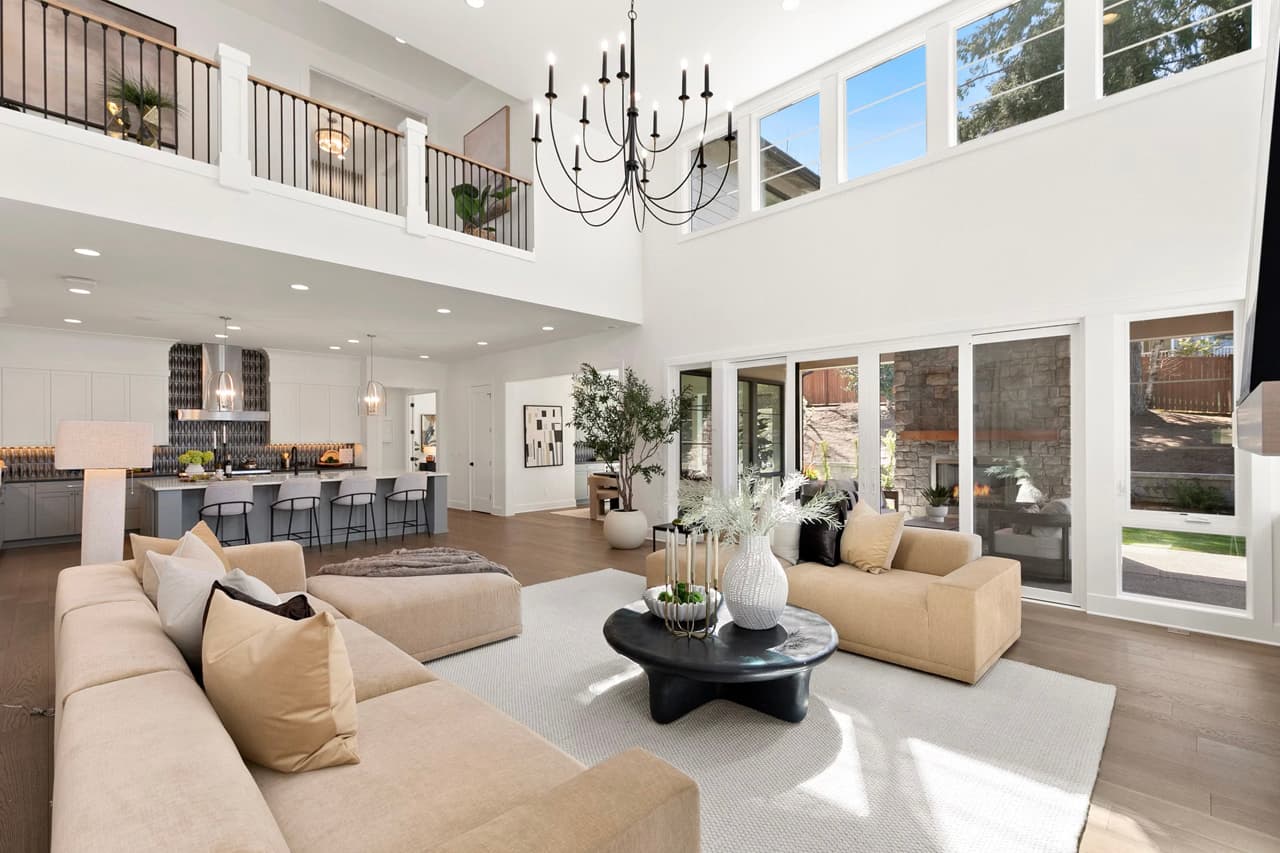
Download your edited, high-resolution files from your dashboard when your selected turnaround is complete.
Editing
Completed
99.99%
On-Time Delivery
Consistently meeting promised turnaround times.
800+
Media Editors
A global team catering continuous production.
200M
Files Processed
Proven experience handling large image and video volumes.
98%
Client Satisfaction
High satisfaction built on accuracy and reliability.
Present clean, spacious interiors while strictly adhering to MLS rules distinguishing temporary personal property from permanent physical fixtures.
Learn more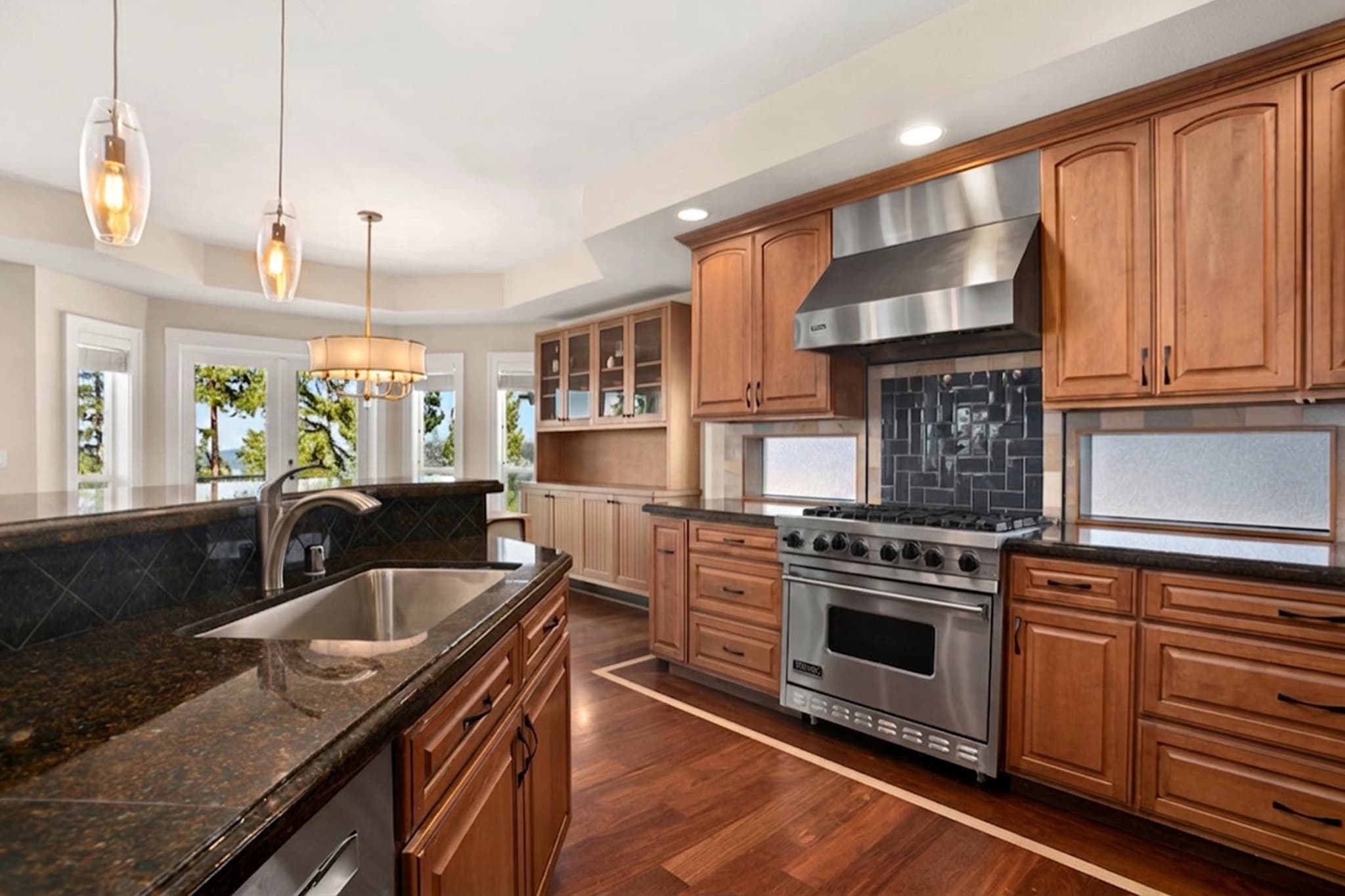
Removes movable personal clutter, family photos, pet items, and trash bins to protect seller privacy.
Strict adherence to MLS rules—permanent fixtures, appliances, damaged drywall, and structural defects are never hidden.
Created by industry veterans, Phixer was engineered to solve media production bottlenecks. We know the demands of tight MLS deadlines, precise color, and reliable quality - because we've been in your shoes.
Each project is edited to match a consistent look across the entire listing.
Enhancements improve clarity and realism without exaggerating colors, shapes, or details.
Edited media is ready to upload directly to MLS or use as part of marketing materials.
The workflow handles small or large batches while keeping quality, timing, and appearance consistent.
Every order is reviewed so exposure, color, and alignment meet standards before delivery.
“The very best in Real Estate Photography Editing. World class editing, and Excellent Customer Service! I've been a happy customer for 3 years now. Phixer is part of my process, always accommodates and a big reason for my success.”

Adrian Martinez
Boxwood Photography
“Their system was easy to navigate and the photos came back looking really good! I decided to take the plunge and sign up with Phixer. Honestly, it was probably the best move I've ever made with my business and it has saved me a TON of time.”

Brayden Smith
Real Estate Photographer
“I have been working with Phixer for a couple of months and I appreciate their quick turn times and the ease of use of their photo uploader/manager. If I ever need revisions they are usually done within an hour and the overall quality of the photo editors is above average to excellent. Highly recommended.”

Trevor Sweaza
Real Estate Photographer
Years in business
Managed and operated in Seattle, WA with real estate media teams in mind.
OpenBook rating
Trusted by agents and photographers across thousands of reviewed home photography projects.
2,400+ OpenBook reviews ↗Google rating
Consistent service quality backed by local reviews and long-running client relationships.
90+ Google reviews ↗
Send us your photos and let our expert real estate photo editors handle the editing — fast, accurate, and ready for publishing.