August 19, 2025
August 19, 2025
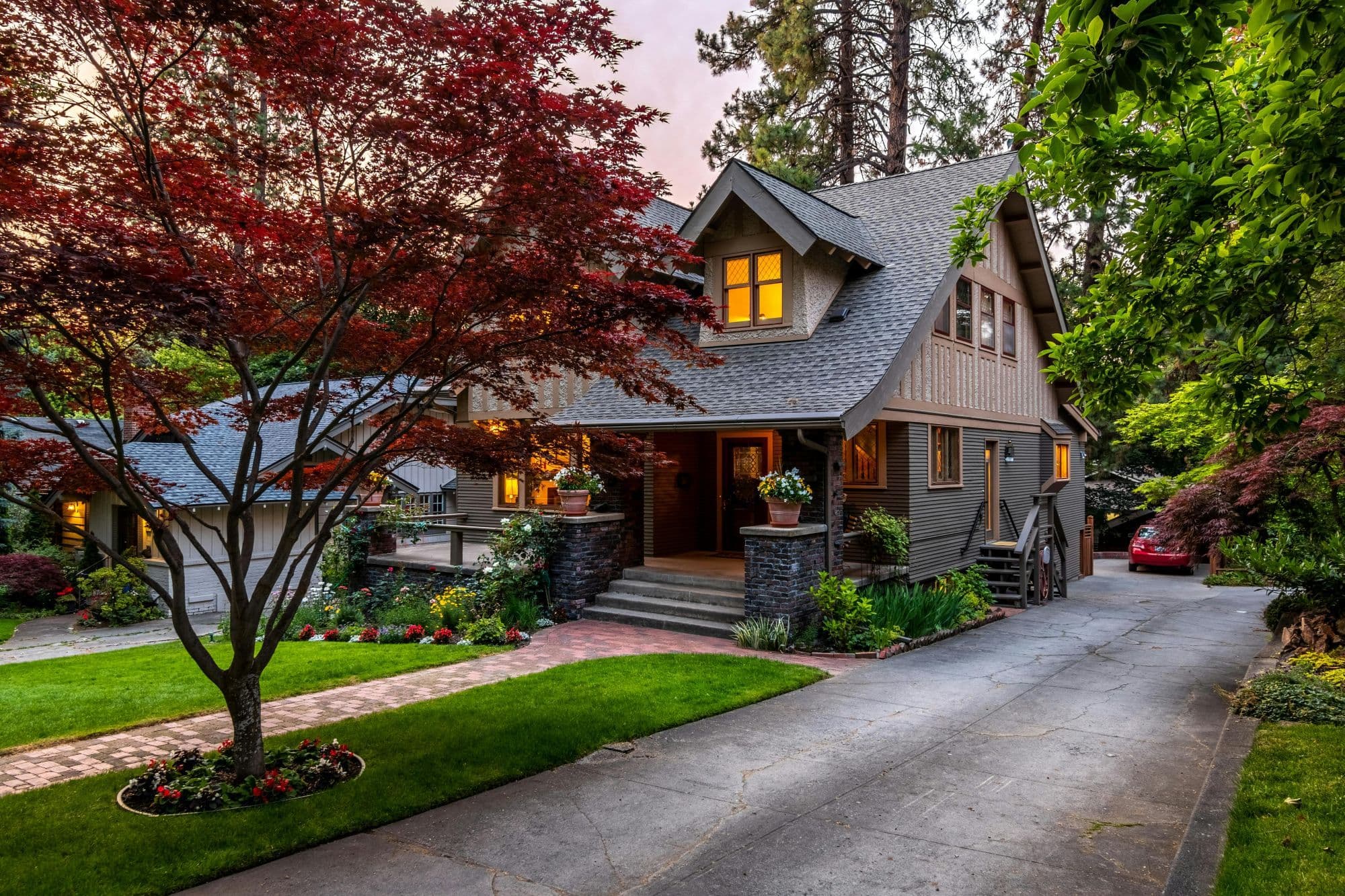
You’ve staged the home, the lighting is perfect, and you’ll get just the right shot to accompany your new listing to show off the property in all its glory.
But the listing has been live for a few days, and people are simply scrolling on by. What is wrong?
In all likelihood the issue probably isn’t with the property itself, it’s how it’s been captured.
In the realm of real estate, your visuals are your initial handshake. As 97% of property seekers turn to online listings, as per the NAR report, if your images don’t seize their attention in a split second, your efforts might as well be in vain.
But how do you make your images pop?
It’s all in the editing.
Of course you need to make sure you’re setting up your shoot in the right condition, but how you edit your pictures matters just as much if not more. This is where the discussion between HDR vs Flamboyant photo editing enters the chat.
HDR stands for High Dynamic Range, and this technique blends multiple exposures – one light, one dark and one in between into a single image.
Why do you need three images? HDR; specifically, hand-blend HDR gives you a higher level of control over which aspect of the photo you want to incorporate into the final composite, enabling you to achieve a more natural look to balance the picture out and highlight details within the image.

For example, HDR allows for the small details to shine through, like the grain in the dark wood cabinets, and removes any blowout from bright windows so you can capture the kitchen and the garden outside with more impact.
In comparison, Flambient combines two shots; one taken with a flash and one with natural light. Why?
The shot with the flash gives you a more accurate projection of the true colours of what is in the picture, and the natural light gives your picture more depth and warmth.
These two are then layered together when editing to give the room a more realistic and immersive feel.

How does this work in real life?
Let’s say you’re shooting a bedroom at golden hour. The flash will capture the crisp white linen on the bed while the natural light picture will keep the sunset glow coming through the curtains. When edited correctly, the result delivers a high-end, true-to-life depiction as if you were standing in that room at that point in time.
To break it down into a simple example, the workflows are
HDR Workflow
Flambient Workflow
Everyone knows that professional pictures for real estate listings can
But what gets more clicks between HDR vs Flambient real estate photography?
HDR images are still click-worthy, and when time and speed are called for, they’re ideal for bulk editing and capturing properties when you need to get your imagery up quickly.
Flambient photography, however, requires more time to capture and edit each shot, but ultimately gets more engagement, especially for high-end properties, thanks to its rich, detailed results that more accurately resemble in-person viewings.
But it is not as simple as choosing HDR real estate photography, or Flambient real estate photographs, as your only go-to style.
Capturing a small bright condo? HDR real estate photography can work well for you in this scenario. Shooting a statement house? Then go for Flambient.
If your client is flipping properties, they might want listings up fast, meaning HDR is your go-to.
Lastly, the weather that day should also dictate the editing style you use. Overcast days call for HDR editing, while Flambient real estate photographs are perfect for moody, mixed light spaces.
For HDR
For Flambient
When discussing HDR vs Flambient real estate photography, it’s not about which style is better. HDR real estate photography offers speed and balance while ambient real estate photos deliver more richness and realism to shots. However, the ultimate results are defined by the real estate photo editing practices used in HDR vs Flambient photo editing, as this will dictate the quality and impact of the final picture you put on your listing.
Send us your photos and let our expert real estate photo editors handle the editing — fast, accurate, and ready for publishing.